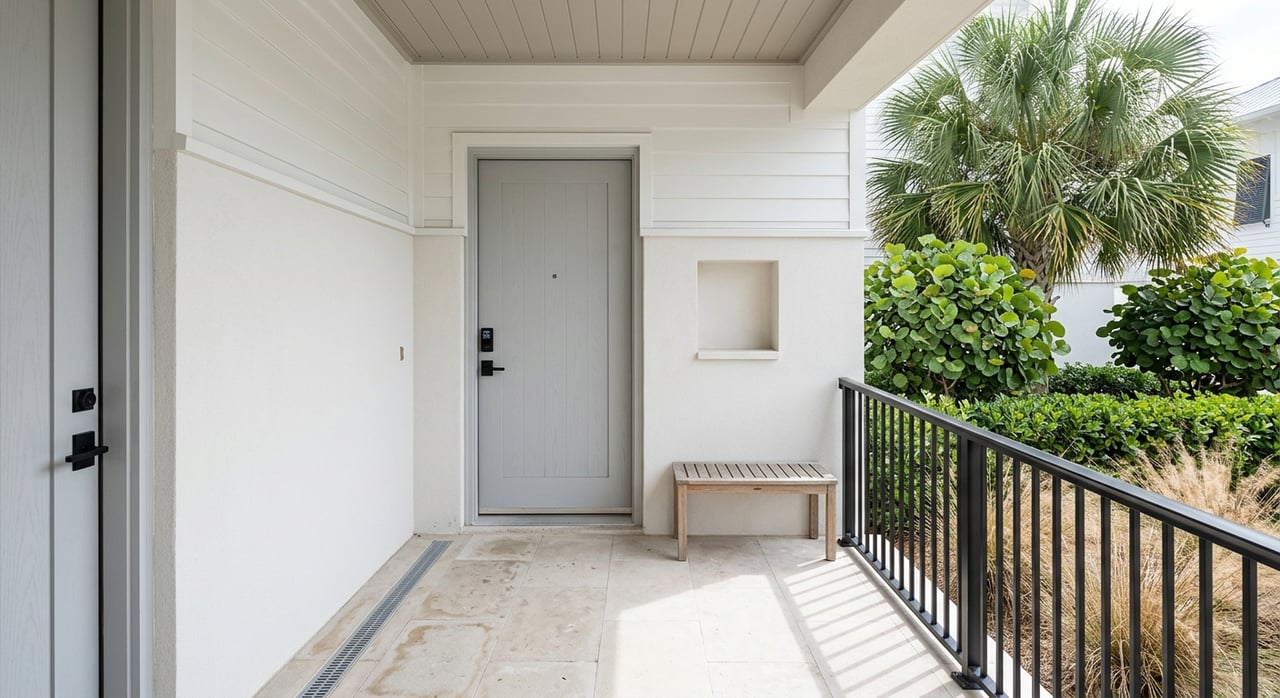
What if your beach home felt easy the moment you arrived and just as easy when you left? That is the appeal of lock-and-leave condo living in Miramar Beach. If you want a second home, a part-time retreat, or a property that may also fit your rental goals, understanding the day-to-day feel matters as much as the numbers. Here is what condo life in Miramar Beach often looks like, what makes it convenient, and what you should pay attention to before you buy. Let’s dive in.
Why Miramar Beach fits condo living
Miramar Beach has a setup that naturally supports a lock-and-leave lifestyle. It sits along South Walton’s coastline between the Gulf of Mexico and Choctawhatchee Bay, and the western part of the county, including Miramar Beach and Sandestin, allows more higher-rise construction than much of the 30A corridor. According to Visit South Walton’s fact sheet, that helps explain why you see more resort-style condo inventory here.
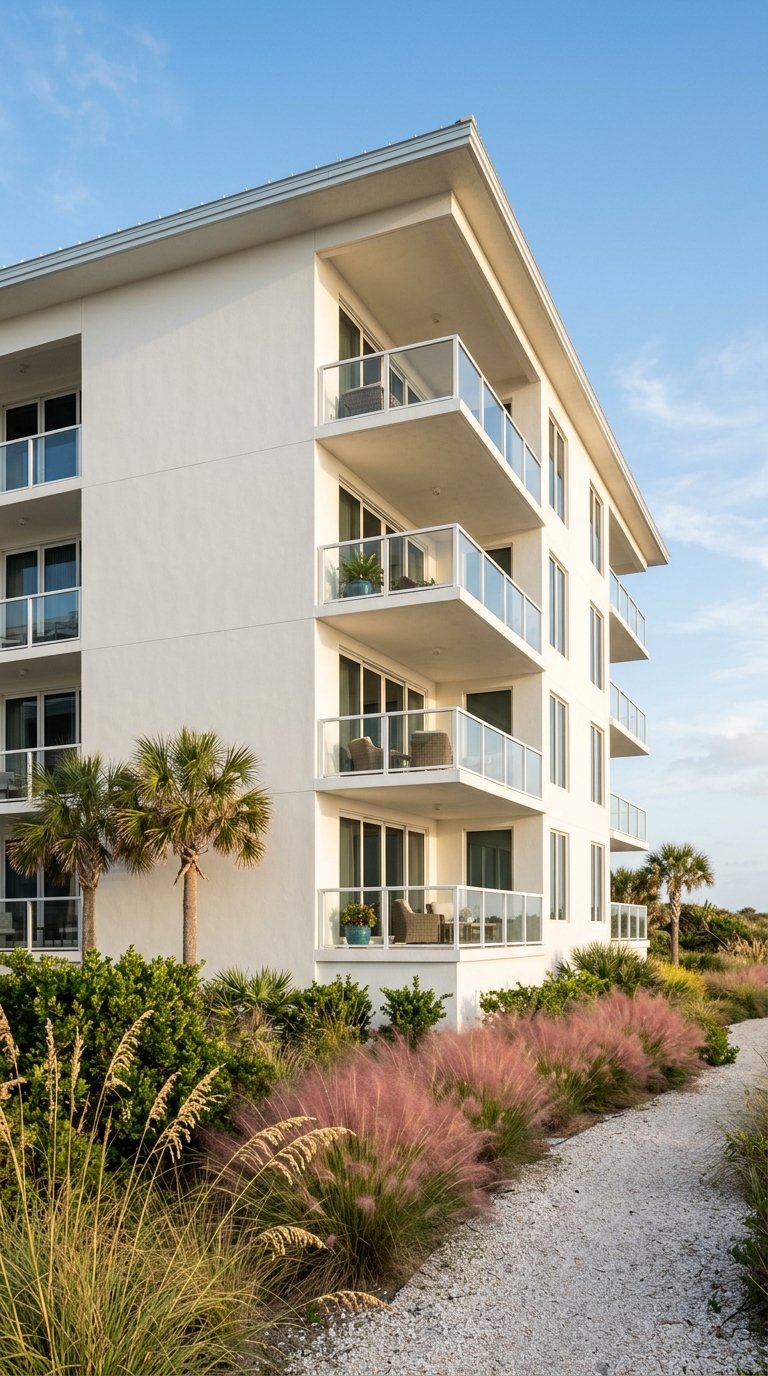
For many buyers, that means more options if you want a home base with shared amenities, building services, and less exterior upkeep. Instead of taking care of a yard, roof, and exterior systems on your own, you are often stepping into a property type built for part-time ownership. That can be especially appealing if you live out of town and want your beach place to feel simple.
What lock-and-leave really feels like
At its best, lock-and-leave condo ownership feels light. You come down for a long weekend or a full season, park, unload, and settle into your routine without a long checklist waiting for you. When it is time to head home, you lock the door and leave knowing many exterior and shared-space responsibilities stay with the association.
Under Florida condominium law, associations are generally responsible for maintaining common elements unless the condo documents say otherwise. In practical terms, that often includes the building exterior and other shared areas. The trade-off is simple: you usually get less hands-on maintenance, but you also share in the building’s budget, reserves, and rules.
Your daily routine can feel refreshingly simple
One reason Miramar Beach works so well for second-home condo buyers is how straightforward the beach routine can be. South Walton has more than 50 beach and bay access points along 26 miles of shoreline, and the Miramar Beach Regional Beach Access includes parking, restrooms, seasonal lifeguards, an ADA-accessible boardwalk, and a beach-conditions flag.
That convenience shapes the lifestyle. You can wake up, head to the beach with minimal planning, enjoy the water, and come back without the friction that often comes with more complicated access points. For part-time owners, that ease matters because every visit feels usable right away.
Amenities can make it feel more turnkey
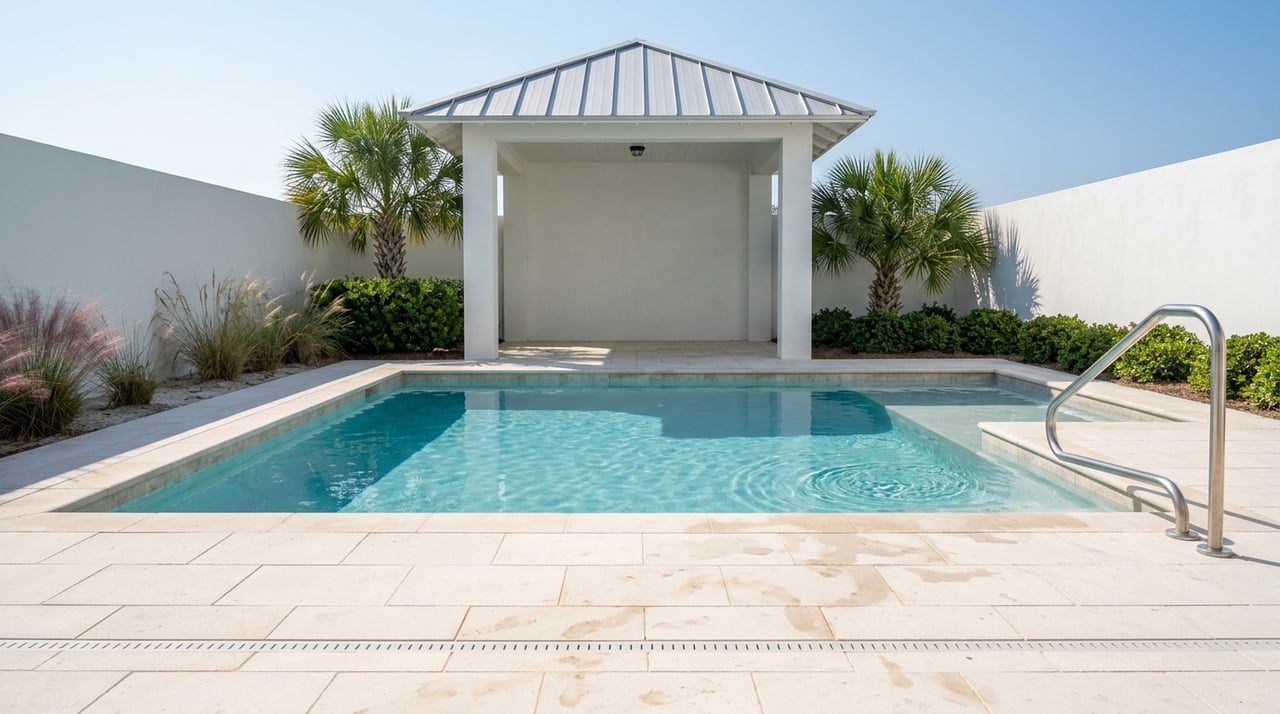
In Miramar Beach, condo living often leans resort-like rather than purely residential. Nearby Sandestin helps show the kind of amenity-rich setting buyers may find in this part of the market. Visit South Walton describes Sandestin as a 2,400-acre destination resort with more than 1,250 condominiums, villas, and townhomes, along with 20 swimming pools, four golf courses, tennis, pickleball, a marina, resort transportation, and the Village of Baytowne Wharf.
Not every condo community offers that level of infrastructure, but the broader point stands. In Miramar Beach, condo ownership can feel less like managing a second property and more like having a coastal base with built-in convenience. If your goal is a turnkey lifestyle, that distinction is important.
Seasonality shapes the experience
Miramar Beach does not feel the same year-round, and that is part of the ownership experience. Visit South Walton notes that summer is the high season, while late fall, winter, and shoulder seasons often bring fewer crowds and lower accommodation rates. The countywide Spring 2024 visitor report also showed 1.33 million visitors, 1.03 million room nights, and 55.2% occupancy, which highlights how strong seasonal demand can be.
For you as an owner, that often means two different rhythms. In peak season, the area is active and energetic. In quieter months, condo living can feel calmer and more relaxed. Many second-home buyers enjoy having both options in one location.
If you plan to rent, the condo may do double duty
A big part of Miramar Beach’s appeal is that many buyers see a condo as both a personal retreat and a property with short-term rental potential. In the Spring 2024 visitor tracking report, vacation-rental websites were the top trip-planning source at 52%, while family vacation and relax and unwind were the top reasons for visiting.
That does not mean every condo is a fit for every rental strategy. The details depend on the association’s rules and your goals. Some owners prioritize personal use during favorite weeks and rent around that schedule, while others focus more heavily on rental use in high-demand periods.
Renting adds convenience for guests, but work for owners
Short-term rentals in Walton County are common, but they come with real operating requirements. Walton County’s vacation rental certification program says short-term vacation rentals require annual registration, and owners must also meet prerequisites such as Florida DBPR licensing and county tourist-development-tax registration.
The county also points owners to operating rules tied to responsible party coverage, occupancy, parking, trash, and noise. In other words, renting can be practical, but it is not passive by default. A lock-and-leave condo may feel easy for your personal use, yet it becomes a more regulated operation when used as a short-term rental.
Taxes matter if rental income is part of the plan
If you are considering rental use, you should understand the tax layer up front. According to the Florida Department of Revenue’s transient rental tax guidance, rentals of six months or less are generally subject to 6% state sales tax, and discretionary sales surtax may also apply. The research provided for Miramar Beach ZIP 32550 shows a 5% local option transient rental tax and Walton County’s current 1% discretionary sales surtax.
That means short-term rentals commonly face a 12% tax layer on the rental charge itself. For buyers evaluating income potential, this is one of several costs that should sit alongside dues, management, insurance, and upkeep inside the unit.
Low maintenance does not mean no responsibility
Lock-and-leave does not mean carefree in every sense. It usually means many building-level responsibilities are handled through the association, while you remain responsible for your unit interior and for following the condo’s governing documents. Under Florida law on owner compliance, owners, tenants, and invitees must comply with the statute, declaration, bylaws, and association documents.
That is why condo living works best when you like clarity and structure. Rules around pets, rentals, parking, use of amenities, and unit modifications are often building-specific. Before you buy, you want to know not just whether the condo looks good, but whether the rules fit how you plan to use it.
HOA dues support the ease
The convenience of condo ownership is backed by real budgeting. Florida law requires condo associations to maintain budgets and reserve accounts for certain capital expenditures and deferred maintenance items. For larger residential buildings, the state also requires a Structural Integrity Reserve Study at least every 10 years if the building is three habitable stories or higher.
This matters because the easy, managed feel of condo ownership depends on the health of the association. Roof work, painting, pavement resurfacing, and other big-ticket items do not disappear. They are planned for through reserves, dues, and sometimes special assessments if funds fall short.
Smart buyers look past finishes
A beautifully updated unit can still sit in a building with larger financial or maintenance questions. That is why your condo due diligence should go beyond countertops, flooring, and furniture packages. In many cases, the more important story is the condition and planning behind the building itself.
The Florida DBPR condo FAQs note that structural inspection reports and reserve studies are official records that must be provided to prospective buyers. If you are looking at a condo in a building three stories or higher, current reserve studies and any recent milestone inspection can tell you a lot about future predictability.
What the trade-off looks like
The emotional appeal of lock-and-leave living is easy to understand. You get beach access, shared amenities, and less direct responsibility for the exterior side of ownership. For many second-home buyers, that feels like freedom.
The trade-off is that you are buying into a shared system. Your monthly fees, reserve funding, inspections, and association rules all shape the ownership experience. For the right buyer, that is a strong value. You gain convenience and reduce hands-on maintenance, but you give up some individual control.
Who this lifestyle tends to suit best
Miramar Beach lock-and-leave condo living often fits buyers who want to:
- Spend more time enjoying the coast and less time managing a property
- Have a second home that works well for part-time use
- Be close to beach access and resort-style conveniences
- Explore short-term rental use while understanding local rules and taxes
- Own in an area with a strong seasonal visitor economy
It can be especially attractive if you live out of market and want a home that is easier to step into and step away from.
Why local guidance matters
In Miramar Beach, two condos that look similar online can feel very different in practice. Building rules, reserve strength, beach access, amenity quality, rental flexibility, and seasonal patterns all shape whether a property matches your goals. That is why local, condo-specific guidance matters.
If you are weighing a second home or investment purchase along the coast, working with an advisor who understands both lifestyle fit and building-level diligence can save you time and help you avoid expensive surprises. When you are ready to explore what lock-and-leave living could look like for you, connect with Emerald Coast Signature Collection for knowledgeable, high-touch guidance tailored to the Emerald Coast lifestyle.
FAQs
What does lock-and-leave condo living in Miramar Beach usually mean?
- It usually means you can leave many exterior and shared-property maintenance responsibilities to the condo association, while you remain responsible for your unit interior, dues, and compliance with condo rules.
Are Miramar Beach condos a good fit for second-home buyers?
- They can be a strong fit for buyers who want low-maintenance coastal ownership, easy beach access, and amenities that make short stays or seasonal use feel simple and convenient.
Can you use a Miramar Beach condo as a short-term rental?
- Some owners do, but rental use depends on the condo association’s rules and Walton County requirements, including annual registration, licensing, and tax compliance.
Why do condo fees matter in Miramar Beach buildings?
- Condo fees help fund maintenance, repairs, reserves, and shared amenities, which support the lock-and-leave convenience many buyers want.
What should buyers review before buying a Miramar Beach condo?
- Buyers should review association documents, reserve studies, structural inspection records when applicable, rental rules, and any details that affect future costs or how the property can be used.