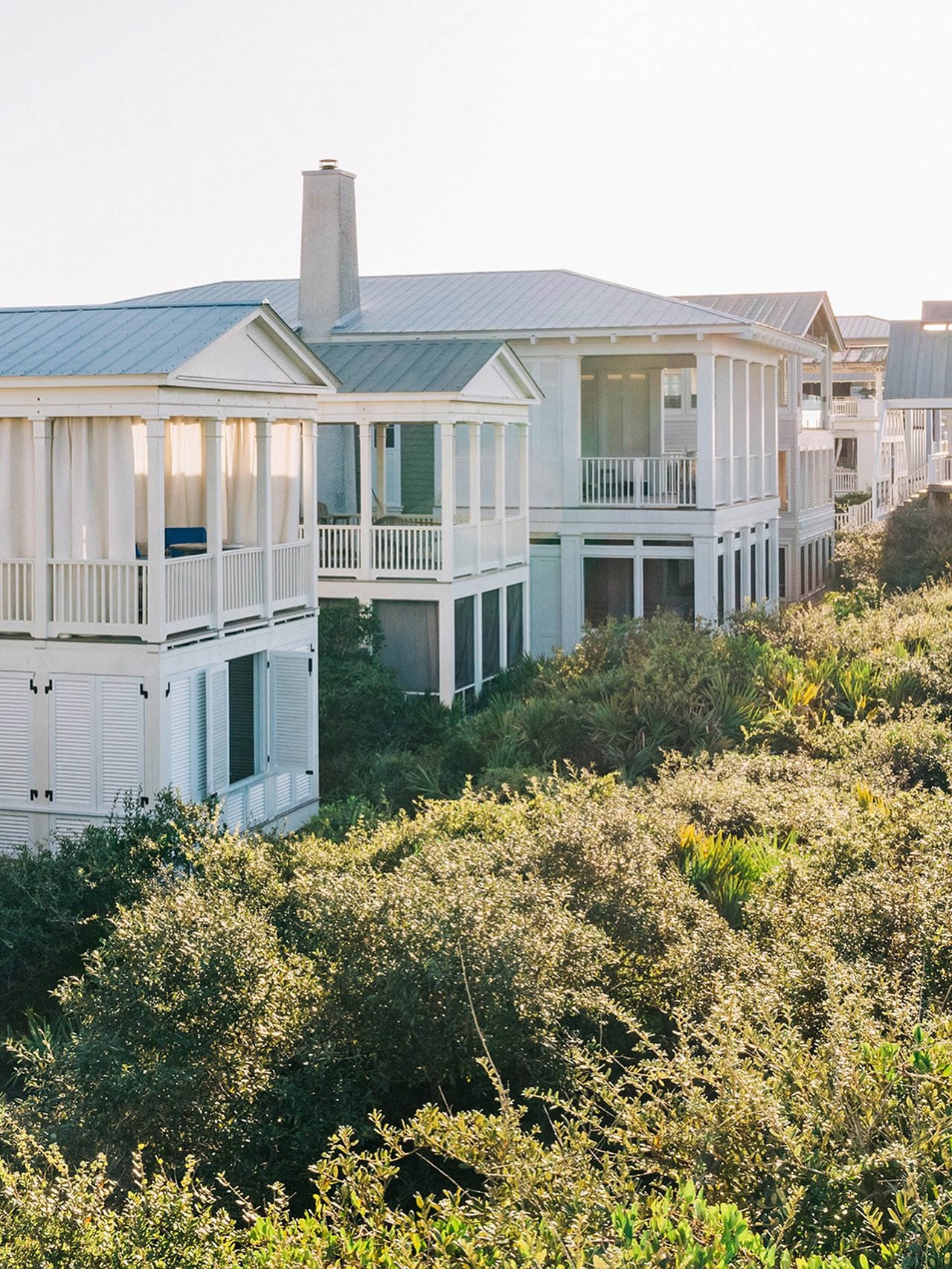
What makes a Seaside home hold attention and command strong interest over time? In this 30A market, architecture is not just about style. It is part of the value story. If you are buying, selling, or updating a home in Seaside, understanding how design and planning shape demand can help you make smarter decisions. Let’s dive in.
Seaside’s Design Drives Demand
Seaside is widely known as the first fully realized New Urbanist community, and that planning framework still shapes how buyers experience the town today. According to the Harvard case study on Seaside, the community was designed as a compact, walkable, mixed-use place with homes, civic spaces, shops, and beach access working together.
That layout matters because buyers are not valuing a home in isolation. They are also valuing the experience of being in a place where the town square, footpaths, and daily destinations are close at hand. Seaside’s official history notes that all residences sit within about a five-minute walk of the Central Square, reinforcing the convenience and lifestyle appeal built into the plan.
Walkability Creates a Place Premium
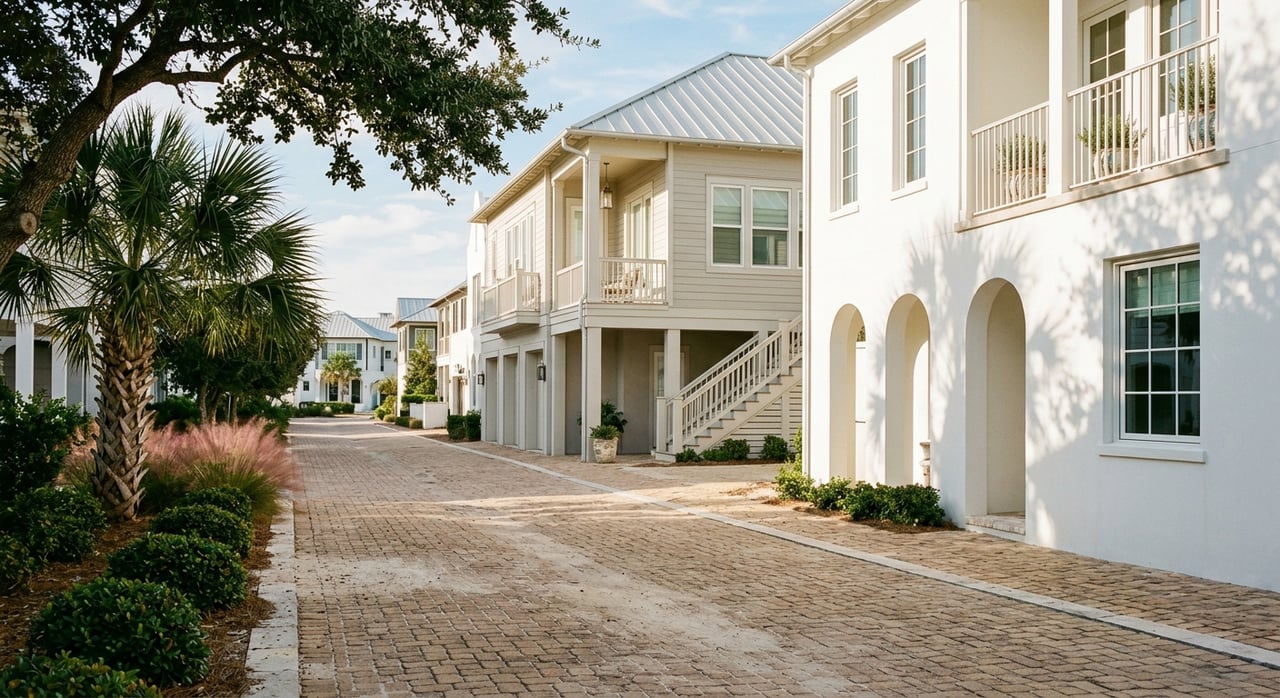
In many coastal communities, value is tied mostly to water views or beach frontage. In Seaside, those factors still matter, but the town’s walkable layout adds another layer of appeal. Narrow streets, white-sand footpaths, and shared beach access help create a setting that feels connected and easy to navigate on foot or by bike.
This kind of design can support home values because buyers often pay for convenience, atmosphere, and a recognizable sense of place. The Congress for the New Urbanism describes Seaside as a model where value accrued as the town matured, not simply through fast lot turnover. That long-term pattern helps explain why Seaside remains so distinctive within Walton County.
Scarcity Supports Long-Term Interest
Seaside is also small by design. The community spans about 80 acres with roughly 423 residential units, according to CNU’s overview. For buyers, that limited scale means opportunities are naturally constrained.
Scarcity alone does not create value, but scarcity paired with a highly recognizable environment often does. In Seaside, buyers are not just choosing a coastal property. They are choosing a limited chance to own within a carefully planned town with protected dunes, public pathways, and a streetscape that has remained visually consistent over time.
Architectural Rules Protect Identity
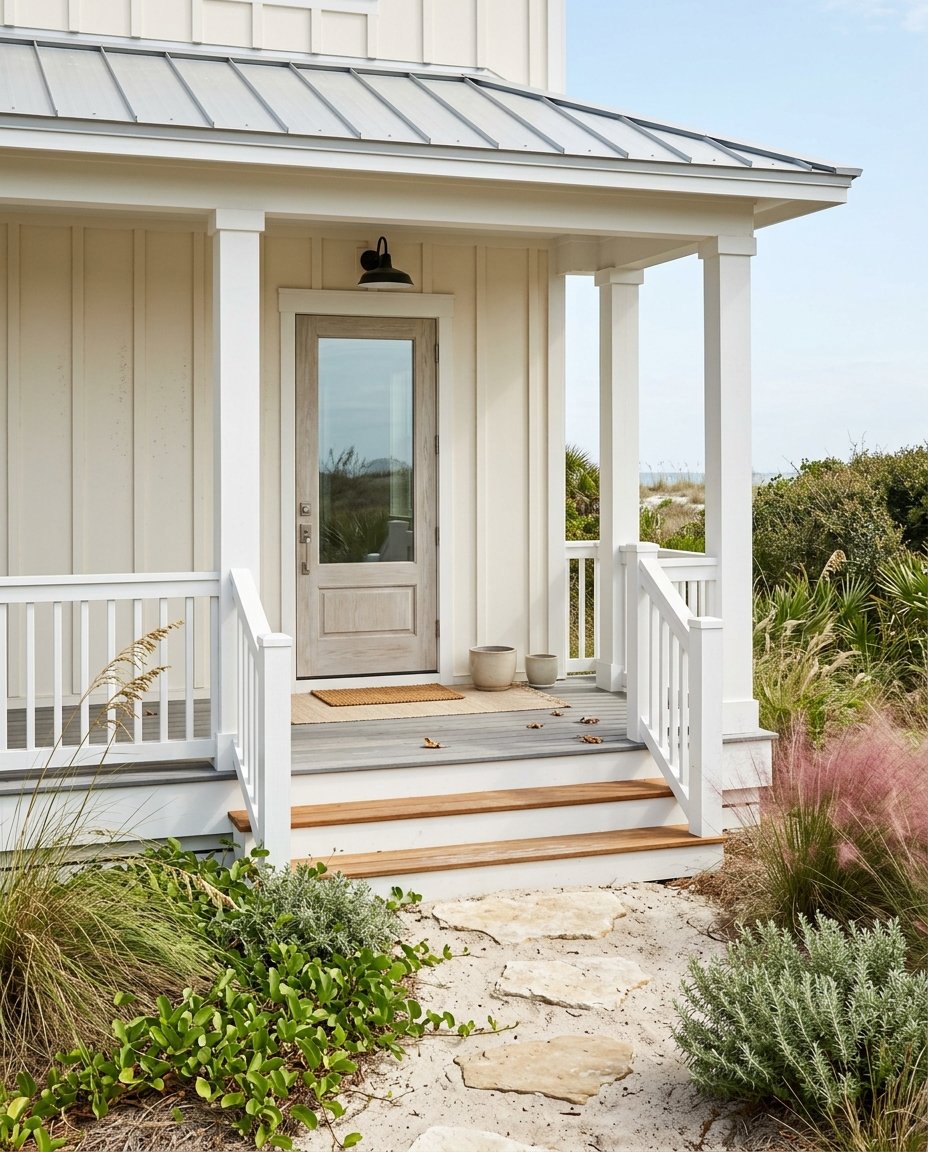
One of the biggest reasons Seaside feels so cohesive is that its architectural regulations are unusually detailed. The town’s architectural regulations require features such as traditional porches and balconies, approved materials, simple gable or hip roofs, and exposed eaves or rafters.
These rules may sound aesthetic at first, but they also serve a market purpose. When a town maintains a clear visual identity, buyers have a better sense of what they are purchasing into. That can reduce uncertainty and support resale appeal because the surrounding streetscape stays aligned with the character that drew buyers there in the first place.
Why Porches and Rooflines Matter
In Seaside, porch-forward design is not a small detail. It is part of the town’s public-facing rhythm. Homes that engage the street with porches and balconies support the pedestrian feel that helped make Seaside famous.
Roof forms matter too. The code emphasizes simple roof shapes rather than overly complex silhouettes. For buyers and owners, this means that value is often tied not just to square footage, but to how well a home fits the larger architectural language of the town.
Color and Materials Influence Perception
Seaside’s design controls go beyond massing and rooflines. The code also establishes a color strategy, with lighter colors intended closer to the Gulf and more saturated colors farther north. It even reserves white body color for civic buildings, according to the official regulations.
That level of detail shows how seriously Seaside treats visual coherence. For homeowners, the practical takeaway is simple: renovations and exterior updates that stay close to the town’s existing palette and materials are usually more aligned with what the market expects. In a design-driven community, consistency often helps preserve buyer confidence.
Variety Still Has a Role
Strict rules do not mean every home looks the same. In fact, Seaside includes work from more than 150 architects, with styles ranging from Victorian and Neoclassical to Modern and Postmodern, based on the 2022 market study.
That mix is part of Seaside’s appeal. The town manages to feel visually rich without becoming chaotic because the homes still operate within a shared, human-scaled coding system. For buyers, this often translates into a market where individuality exists, but not at the cost of overall harmony.
Location Inside Seaside Still Matters
Seaside is not one uniform pricing map. The 2022 study breaks the town into eight lot types, and those distinctions matter because they shape privacy, views, routing, and proximity to the Gulf or town center. Beachfront lots, lots along Seaside Avenue, and lots on the northern edge of town all function differently in the market.
The Harvard case study also notes a clear spatial hierarchy, with larger beachfront homes along the ocean, denser housing near the central square, and varied residential forms farther inland. That means buyers should think about more than the home itself. In Seaside, location within the town is part of the design language and part of the value equation.
Gulf Proximity Shapes Buyer Priorities
Homes closer to the Gulf often benefit from stronger view potential and a different level of market attention. That does not mean every property farther north underperforms. It means the value drivers shift.
A home farther from the water may still offer strong appeal through walkability, street presence, lot type, and access to the town center. For many buyers, the best value fit comes from balancing Gulf proximity with ease of movement through town and architectural compatibility with the surrounding block.
What Research Says About Resilience
One of the more useful findings from the 2022 Seaside market study is that larger, high-priced homes were less resilient to sale-price fluctuations than smaller, lower-priced homes. The same study found that beachfront Type 5 lots served as an early signal before the 2005 to 2006 housing downturn.
That does not create a formula for future performance, but it does offer context. In Seaside, prestige alone does not guarantee the most stable pricing behavior. Buyers and sellers should look at the full picture, including home size, lot type, location within town, and how closely a property aligns with the community’s core design principles.
Walkability Does Not Affect Every Home Equally
Broader housing research supports the idea that walkability can influence home prices, but not in the same way for every property. One journal study on walkability and home values found a positive effect on smaller homes with zero to one garage, little aggregate effect overall, and a negative effect on larger homes with three or more garages.
That finding helps put Seaside in context. The town’s pedestrian-first design may align especially well with homes that fit its compact, human-scaled vision. In other words, the strongest value story often comes when the architecture and the planning philosophy support each other.
What Buyers Should Watch For
If you are considering a purchase in Seaside, it helps to evaluate both the property and the setting. The most compelling homes often combine design features that fit the code with a location that enhances everyday use.
Look closely at factors such as:
- Porch presence and how the home engages the street
- Roof form and exterior materials
- Lot type and orientation within town
- Proximity to the Gulf
- Walkability to the Central Square and public pathways
- How well the home fits Seaside’s established architectural language
A home that checks several of these boxes may offer stronger long-term appeal than one with isolated standout features but weaker overall fit.
What Sellers and Owners Should Know
If you own in Seaside, the market often rewards thoughtful stewardship. Because architecture is part of what buyers are purchasing, updates that respect the existing code can help protect the home’s appeal.
That usually means staying close to approved materials, porch proportions, roof forms, and color expectations rather than pursuing changes that feel visually disconnected from the town. For sellers, this is especially important before going to market. Presentation matters in any luxury setting, but in Seaside, alignment with the community’s architectural identity can be just as important as finish quality.
Architecture Adds Value, But Not by Formula
The safest conclusion is that Seaside’s architecture influences home values through desirability, scarcity, and resale resilience rather than through a guaranteed dollar premium. Buyers are responding to the full package: a walkable town, a protected coastal setting, detailed architectural standards, and a limited supply of homes within that framework.
If you are weighing a purchase, preparing a sale, or deciding which updates make sense, local context matters. Working with advisors who understand Seaside block by block can help you see how architecture, lot placement, and lifestyle fit come together in the real market. If you are exploring your next move on 30A, connect with Emerald Coast Signature Collection for tailored guidance rooted in Seaside and the broader Emerald Coast.
FAQs
How does Seaside architecture affect home values?
- Seaside architecture can influence value by supporting buyer demand, preserving a cohesive town identity, and reinforcing resale appeal through features like porches, simple roof forms, approved materials, and consistent streetscapes.
Why does walkability matter for Seaside real estate?
- Walkability matters because Seaside was designed as a compact, pedestrian-friendly community with homes near the Central Square, shops, dining, and beach access, which adds convenience and lifestyle appeal for many buyers.
Do beachfront lots in Seaside always perform best?
- Beachfront lots often attract premium interest because of Gulf proximity and view potential, but research shows that larger, high-priced homes can be less resilient to price fluctuations than some smaller homes.
What should buyers look for in a Seaside home?
- Buyers should consider lot type, Gulf proximity, walkability to the town center, porch-forward design, roof form, materials, and how well the property fits Seaside’s architectural regulations.
What should homeowners know before renovating in Seaside?
- Homeowners should review Seaside’s architectural regulations carefully, since updates that stay aligned with the town’s materials, roof forms, porch proportions, and color expectations are generally more consistent with market expectations.
Is Seaside one uniform real estate market?
- No. Seaside includes different lot types and a clear spatial hierarchy, so value can vary based on location within town, orientation, possible views, and access to the Gulf or Central Square.