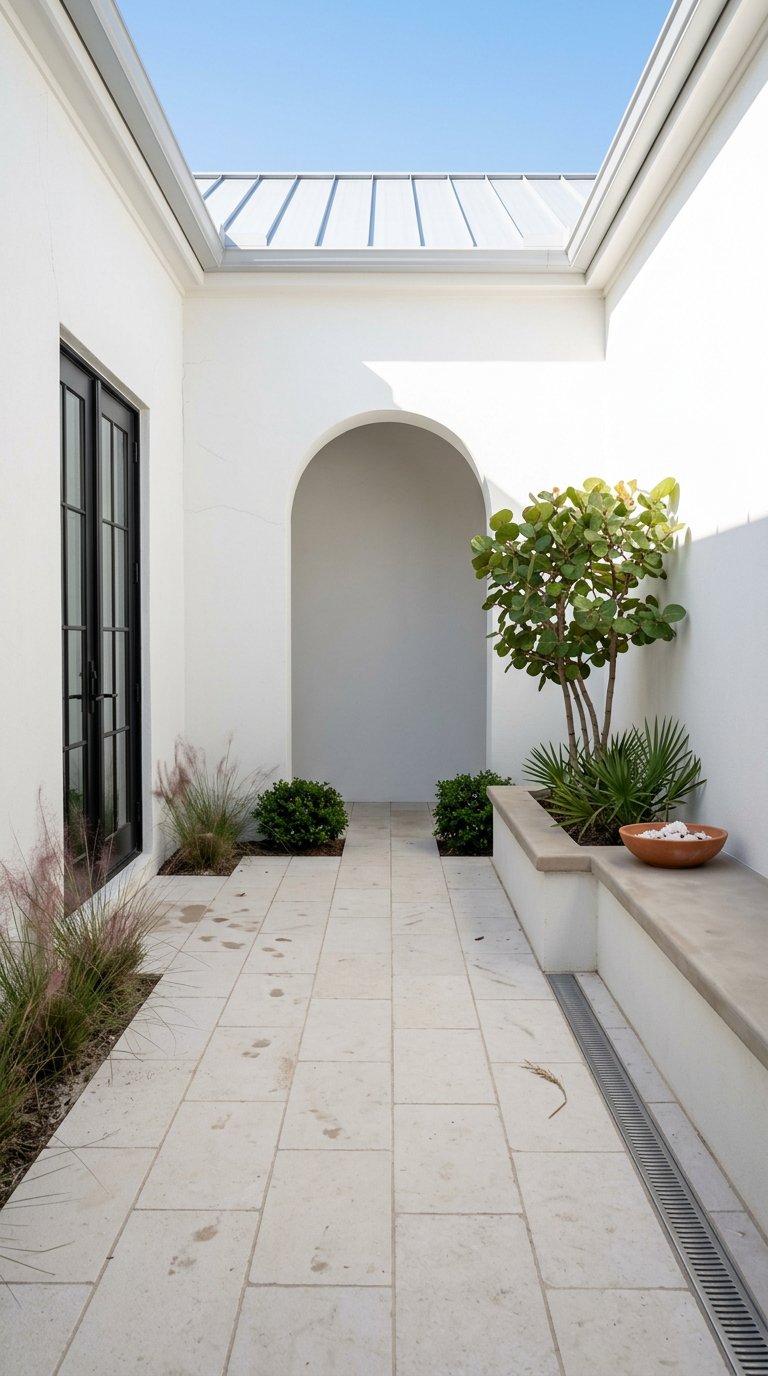
What makes one beach town command a higher price than the one next door? If you have toured Alys Beach, you have likely felt it before you could explain it: the quiet courtyards, white stucco silhouettes, and calm, walkable streets that feel both private and connected. Buyers are not just paying for a house here, they are investing in a complete, curated environment. In this guide, you will learn how Alys Beach’s design, amenities, and resilience choices create real value, and how to decide if it fits your goals on 30A. Let’s dive in.
The design that creates scarcity
A master plan with a code
Alys Beach did not grow by accident. It was conceived as a tightly planned village with a form-based code, long-term design standards, and a designated town architect to enforce them. That governance is unusual, and it is why the look stays consistent as the community matures. The master planning firm documents the project’s compact plan, pedestrian passages, and code framework that keep character and quality aligned over time (Alys Beach planning overview).
White masonry and courtyards
The signature aesthetic is deliberate: white masonry walls, parapet or tile roofs, sculpted details, and inward-facing courtyards. This palette delivers privacy on relatively small lots and creates an elegant, unified streetscape. The town’s architecture page highlights the restrained materials and courtyard house types that define the lifestyle and visual identity buyers prize (Architecture at Alys Beach).
Streets that favor people
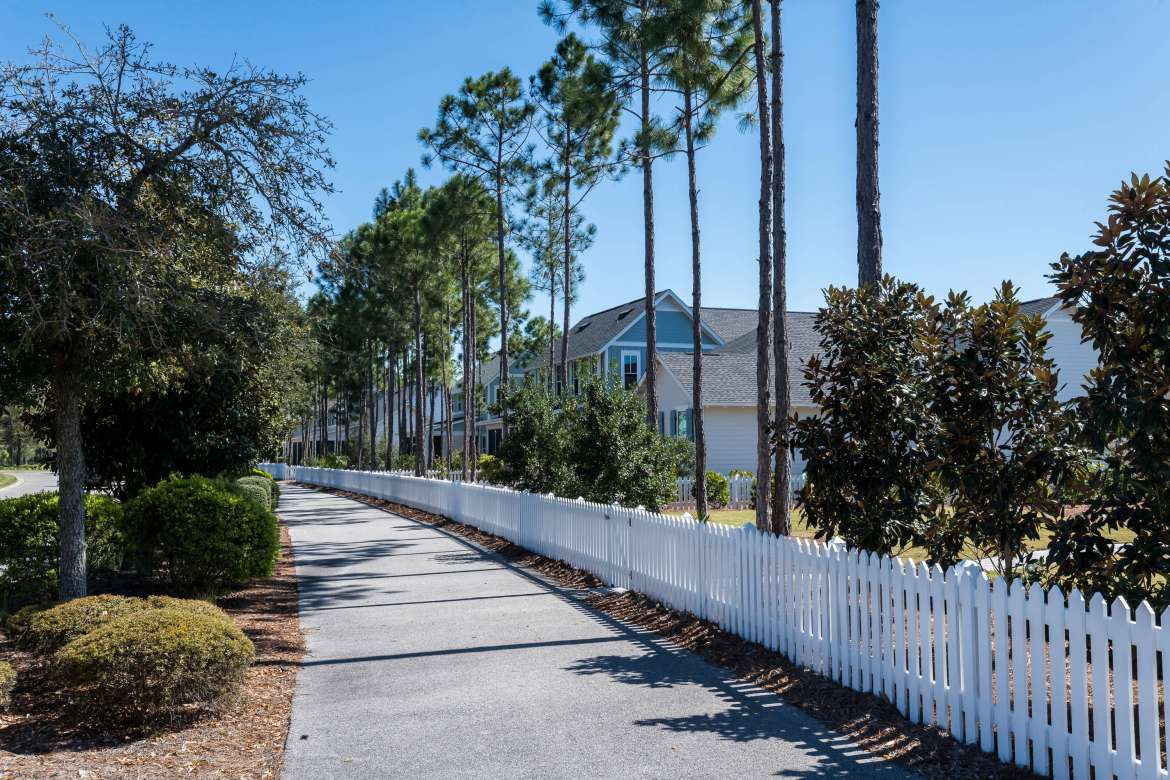
Walkability is not a buzzword here, it is the framework. Narrow passages frame long views to the Gulf, and shared streets slow traffic so people come first. Even the technical choices support beauty and maintenance over time. Permeable pavers and utility-accessible streets allow repairs without patchwork scars, which helps preserve the crafted public realm you see on every stroll (Public realm and paving approach).
Amenities that elevate daily life
Caliza, ZUMA, and the Beach Club
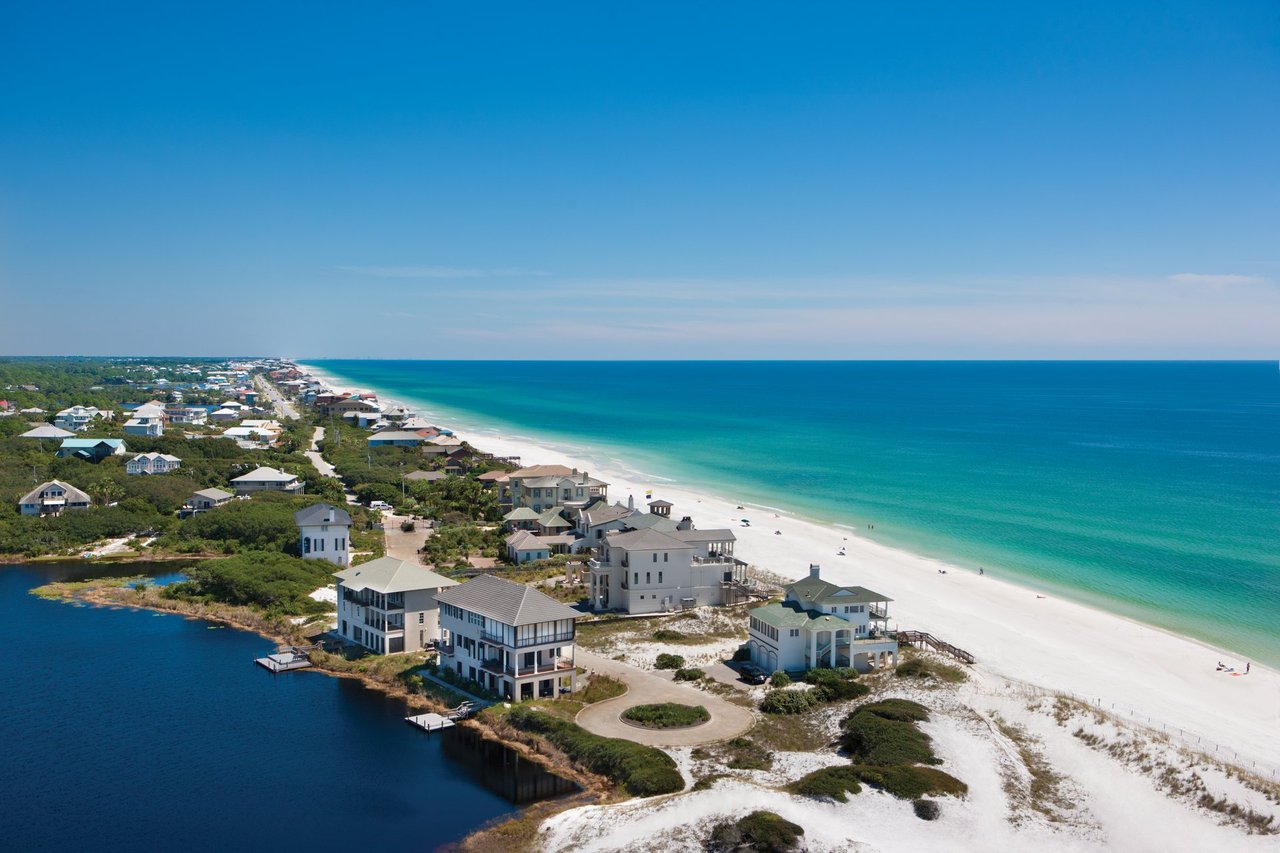
Alys Beach organizes daily life around an amenity triangle: Caliza pool and restaurant, the ZUMA wellness campus, and an owner-focused Beach Club along the Gulf. These are not one-off attractions, they are settings for routines, from morning laps to sunset dinners. The community’s amenity overview outlines how these pieces fit together with curated dining and retail to create a destination within a walkable village (Alys Beach amenities).
Access designed for owners
Exclusivity is part of the product. Many amenities operate with owner access control, guest limits, or defined hours, which keeps spaces comfortable and protects the experience. The New Owner booklet explains amenity card types, guest policies, and other rules that shape how facilities are used throughout the year (Alys Beach New Owner booklet).
Resilience choices that protect value
Stronger builds, smarter materials
Alys Beach leans into masonry construction and fortified practices that exceed basic code. Industry reporting on the community highlights how higher standards can add modest cost during construction yet reduce expected storm-related losses and support long-term durability. In coastal markets, that risk management is a real part of value, not just a design choice (Resilience standards and costs).
Long-term cost, shorter stress
Owners often ask if these standards raise build costs. The short answer is yes, masonry and resilience features usually cost more up front. Many buyers accept that trade because it can mean fewer interruptions, potentially better insurance outcomes where available, and a community that ages gracefully. In a premium neighborhood, less volatility often supports price stability over time.
Why this translates into price
Consistency buyers will pay for
When every home follows a clear code and is reviewed by a town architect, you get visual coherence and certainty. That consistency is scarce, which is why it commands attention from luxury buyers. The original planning team links Alys Beach’s tightly enforced standards to a durable character that supports higher per-square-foot values across market cycles (Planning and code framework).
Walkability premiums demonstrated
Beyond aesthetics, walkability itself has measurable value. Academic research shows that homes in highly walkable, amenity-rich environments often trade at a premium compared to similar homes in less walkable settings. Alys Beach’s intimate street network, plazas, and amenity proximity fit the pattern that many buyers are willing to pay for (Walkability and housing prices research).
Market signals on 30A
Recent local market snapshots consistently place Alys Beach in the top tier for price per square foot on the 30A corridor. Exact figures vary by product type and location near the Gulf, and numbers change with new listings and closings. The takeaway is consistent: buyers who prioritize design governance, owner-forward amenities, and a curated streetscape tend to bid up limited supply.
Rental standards that protect the brand
Alys Beach runs a formal rental and guest program with rules, equipment standards, and operational expectations. Some owners see slightly higher operating costs in exchange for a guest experience that is controlled and consistent. Reporting on the community describes this as a trade-off many buyers accept, because it protects the town’s brand and, by extension, long-term asset value (Rental program and owner behavior).
How Alys compares on 30A
- Seaside pioneered New Urban planning on 30A with pastel cottages, a lively town center, and broad public programming. Alys Beach is more formal, masonry-forward, and architect-curated, which produces a different day-to-day feel.
- Rosemary Beach is also highly designed and walkable with robust retail. Alys positions as quieter and more uniform in appearance, with a strong emphasis on owner-focused amenities.
- Watersound and other newer resort communities compete on amenity breadth and modern product variety. Alys competes on a cohesive visual identity, pedestrian scale, and architectural prestige.
None is better for everyone. Each fits different preferences for energy level, architectural style, and rental strategy. If you value quiet streets, privacy within walkable blocks, and a consistent aesthetic, Alys Beach will likely sit near the top of your list.
Is Alys Beach right for you?
Consider Alys Beach if you want:
- A turnkey, visually consistent environment with strict design standards.
- Private outdoor living through courtyard homes and party-wall privacy.
- Daily-life amenities you can walk or bike to, with owner-focused access.
- Durable construction choices that prioritize resilience and long-term value.
- A rental and governance structure designed to protect the community’s brand.
If you prefer a broader range of home styles, more flexible rental rules, or a busier town center, a neighboring 30A community may fit you better. The good news is you have excellent options within a short bike ride of one another.
Ready to explore Alys Beach with a team that pairs local insight with luxury marketing and Compass tools? Reach out to the boutique advisors at Emerald Coast Signature Collection to align your goals with the right property and neighborhood strategy.
FAQs
Are all Alys Beach homes required to be white?
- Yes. The community’s form-based code requires white exterior walls with limited exceptions, and all designs go through a formal review process.
Are Alys Beach amenities open to the public?
- Some dining and retail options welcome the public at set times, but primary facilities like the Beach Club, Caliza pool, and ZUMA operate with owner access controls and guest limits.
Do Alys Beach homes have stronger hurricane protection?
- Many homes and common facilities emphasize fortified practices and masonry construction that exceed basic code, which can reduce expected storm losses compared to typical builds.
Will Alys Beach’s design rules raise my build cost?
- Usually yes. Masonry, higher finish standards, and resilience features often add to initial costs, which many owners accept for durability and long-term value.
Why do some owners accept stricter rental program rules?
- They often trade short-term rental flexibility for a consistent guest experience and a protected neighborhood brand, which can support resale liquidity and long-term appreciation.