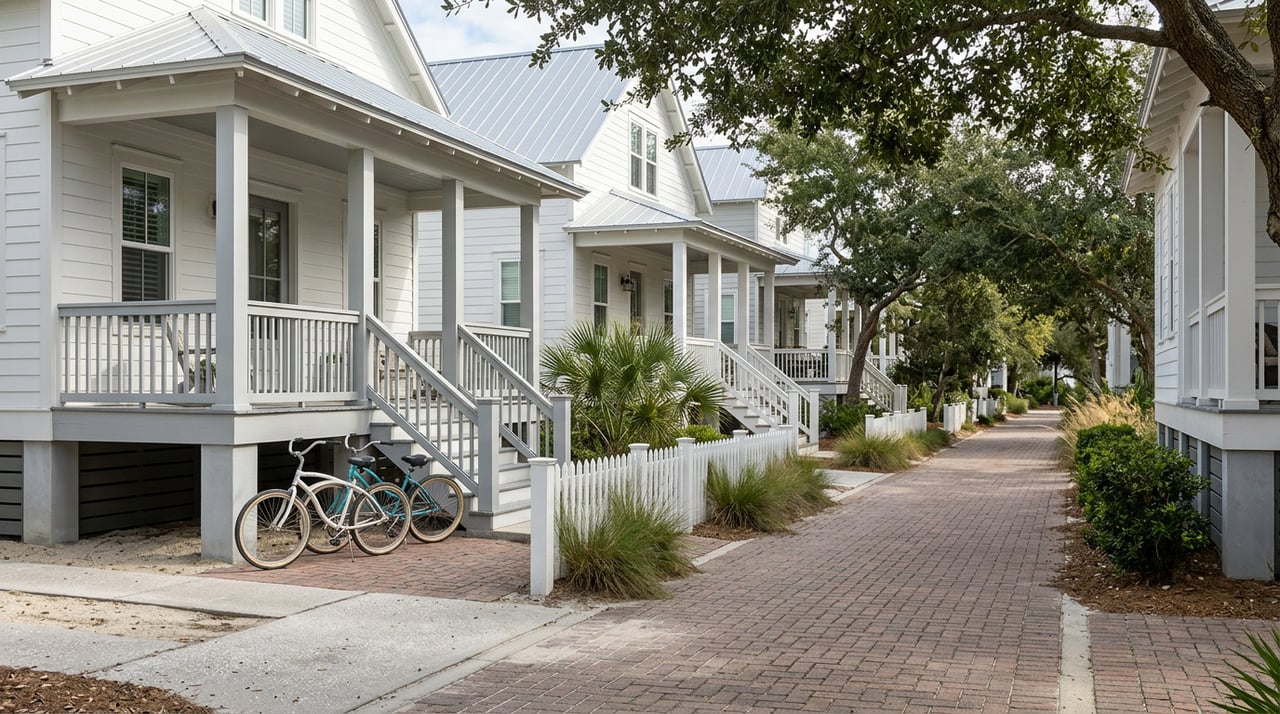
Imagine swapping your car keys for flip-flops and still getting everything done. That is the everyday rhythm many owners love in Seaside, where morning coffee, the beach, and dinner on the green all sit within a short, pleasant walk. If you are curious whether the walkable promise is real, this guide breaks down what daily life looks like on foot and how the town’s design makes it work. You will see simple, scene-by-scene examples you can picture yourself living. Let’s dive in.
Why Seaside was built to walk
Seaside did not become walkable by accident. It was planned in the early 1980s by Robert and Daryl Davis and designed by DPZ to keep daily life within short walking and biking trips. That is why you find mixed uses, narrow streets, front porches, small lots, and public greens placed close together. You can read more about the town’s origins and design approach on the official site for Seaside’s story and plan.
Town materials and the SEASIDE Institute describe Seaside as roughly a 10-minute walk end to end, and about five minutes from most homes to the town center. Shops, cafes, civic spaces, and beach pavilions were intentionally clustered so you can live most days on foot. The Institute’s updates and event notes give a good picture of how the civic heart stays active; see recent posts on Seaside programming and community life.
Central Square and beach pavilions
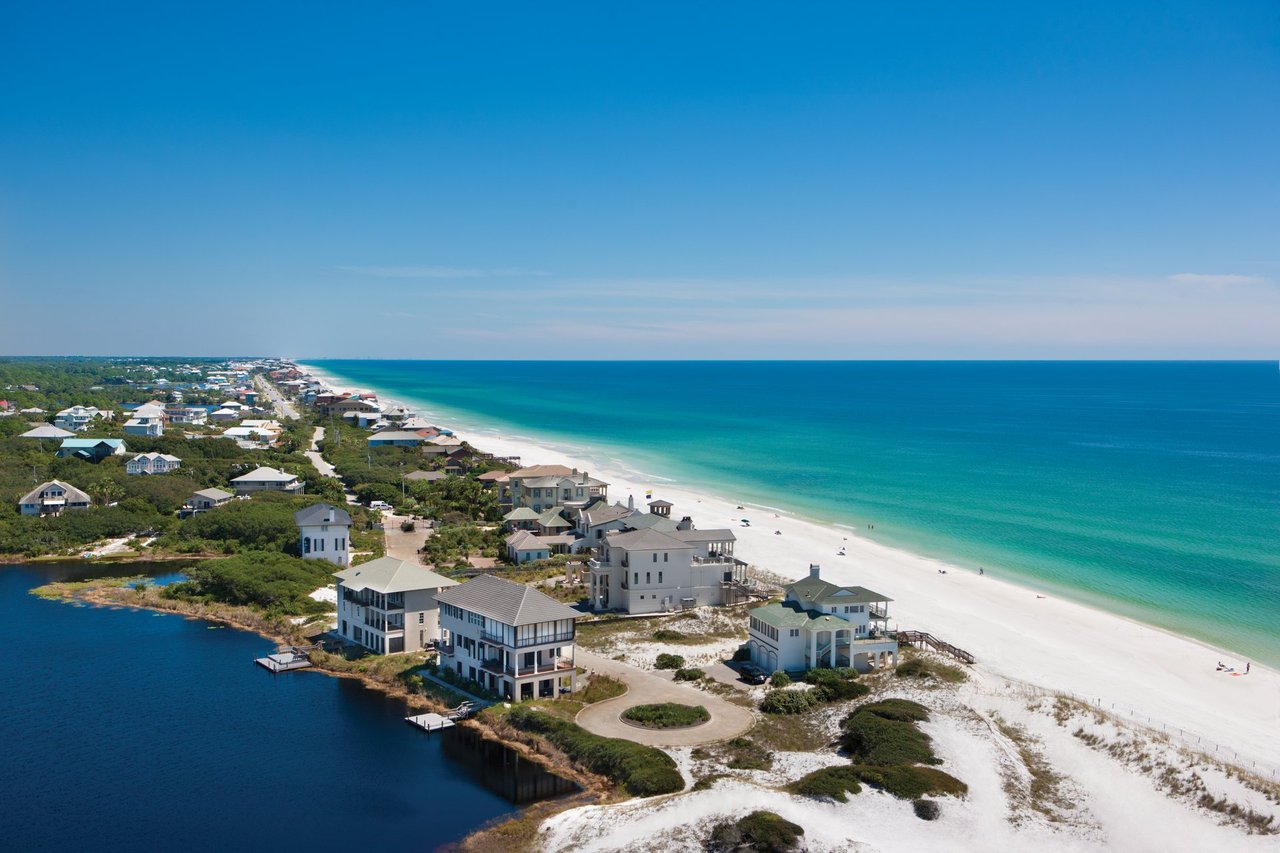
Central Square is the daily anchor. It gathers restaurants, the Amphitheater, small shops, and regular public events in one compact hub so many errands are a short walk. From town blocks, a series of named beach pavilions and boardwalks, like Coleman, Ruskin, Tupelo, and Odessa, connect you to the Gulf in just a few minutes on foot. That blend of a lively center and direct beach access is the core of walkable living here.
Streets that put people first
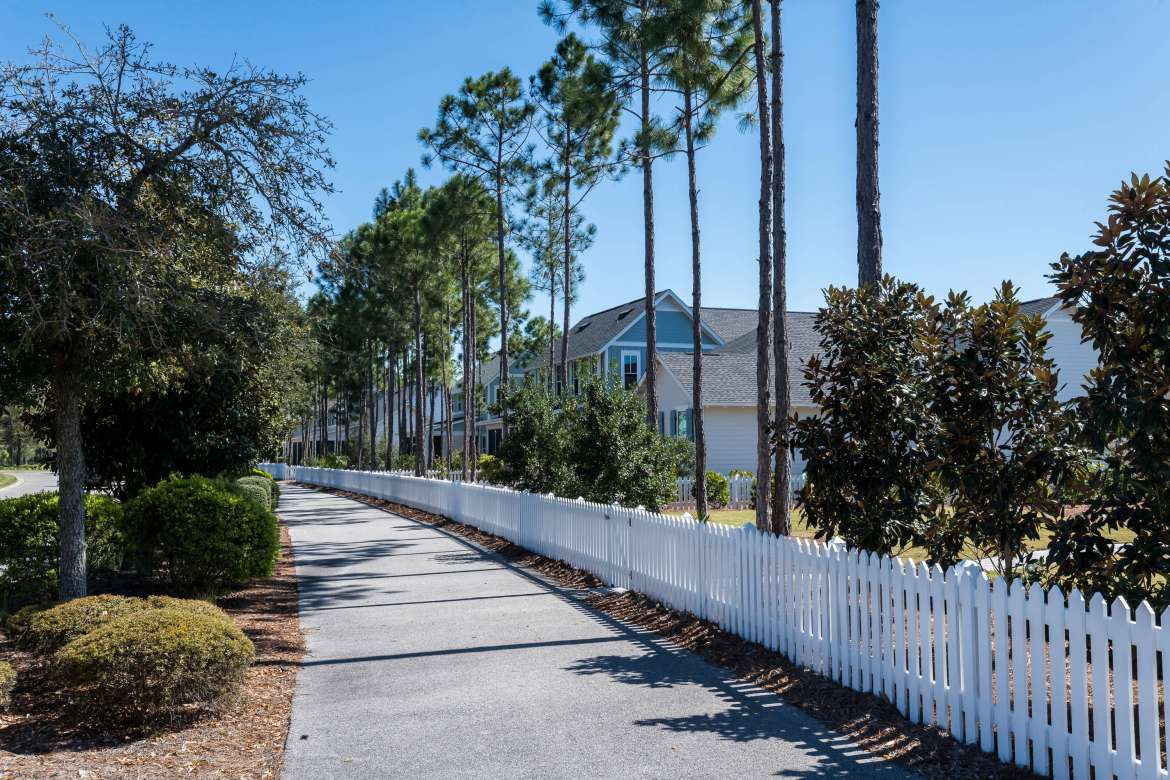
Seaside’s streets and blocks were drawn at a human scale to make walking feel natural. Short blocks slow cars, front porches face the street, and parking is tucked behind homes in alleys or small lots. This pattern reduces the visual dominance of vehicles and creates more chances to greet neighbors. Academic reviews of Seaside’s form-based code explain how these choices shaped daily life; see this overview of Seaside’s planning approach.
A day on foot: morning to night
Below is a realistic, walkable day that owners and guests often describe.
Morning: coffee, market, and a short loop
Start with a quick walk to a neighborhood bakery like Black Bear Bread Co. for coffee and a pastry. Swing by Modica Market for fruit, a deli sandwich, or pantry basics. That coffee-to-market loop often fits easily into a 10 to 15-minute stroll, then you are back on your porch as bikes roll by.
Midday: beach and Airstream Row lunch
Most homes sit a few minutes’ walk from a designated beach pavilion, so you can head to the water on foot or by bike. For lunch, Airstream Row lines Central Square with relaxed, order-at-the-window options. You can grab tacos or a sandwich and picnic on the green; here is a quick guide to Airstream Row in Seaside.
Afternoon: market rhythm and gallery browsing
On weekends, a farmers market and frequent pop-up events bring extra energy to Central Square and nearby Ruskin Place. You might browse small shops, listen to live music, and pick up a few local items before dinner. The town’s own updates often highlight these gatherings; check current notes on Seaside events and Institute news.
Evening: an easy walk to the green
As the sun drops, the Amphitheater becomes a natural meeting place for movies, concerts, and seasonal community nights. Instead of driving to entertainment, most people plan a short walk to the green. That simple habit is a big reason residents say they spend more time outside and feel connected to the town center.
Getting around without a car
A car is useful for regional errands, but most Seaside routines can be fully walkable or bikeable. The paved Timpoochee Trail runs for 18-plus miles along Scenic 30A, linking Seaside to nearby beach towns for coffee runs, dinner, or a scenic ride. Learn more about the route on the Timpoochee Trail overview. Local rental and delivery bike services in and around Central Square make it simple to keep two wheels handy year-round.
What buyers should know about the market
- High demand and limited supply. Seaside’s compact footprint and small, historic lots create a finite market, which tends to keep inventory tight and prices elevated compared with larger suburban areas. Academic and planning literature documents this dynamic; see the market context in this Seaside study.
- Many discover first, then buy. Owners often fall in love with the lifestyle during a visit or rental stay before purchasing. Local reporting highlights this “try it, then buy it” pattern across coastal lifestyle markets; read more in this regional feature.
- Short-term rentals vary by property. Many homes operate as vacation rentals, but rules and HOA policies can differ from street to street. If rental potential matters to you, plan to confirm current regulations and allowed uses for any specific address.
Is walkable Seaside a fit for you?
Consider these quick questions:
- Do you want daily routines where beach time, groceries, and dinner are a short walk from your door?
- Are you comfortable with smaller lots, front-porch culture, and a lively town center during peak seasons?
- Would you trade some car trips for a bike, the Timpoochee Trail, and a well-stocked local market?
If the answer is yes to most of these, Seaside’s pattern may feel like a natural match.
Your Seaside guide
You deserve local guidance that pairs lifestyle insight with data and high-caliber marketing. Our team brings deep 30A micro-market expertise, polished storytelling, and Compass-enabled tools to help you buy or sell with confidence in Seaside and neighboring communities. When you are ready to explore a walkable life by the Gulf, reach out to Emerald Coast Signature Collection for a thoughtful, concierge-level plan.
FAQs
What does walkable living in Seaside, FL mean for daily errands?
- Most errands center on Central Square, where you find restaurants, small shops, the Amphitheater, and Modica Market for groceries and deli items, all within a short walk of many homes.
How close are most Seaside homes to the beach?
- Many properties sit a few minutes’ walk from named beach pavilions and boardwalks. Exact times vary by address, so verify the distance for any specific home during your search.
Do I need a car to enjoy Seaside daily life?
- Not for most routines. Short walks, local bike rentals, and the 18-mile Timpoochee Trail make car-light living practical, though a car helps for regional errands.
What kinds of community events keep the town center active?
- The Amphitheater hosts movies, concerts, and seasonal gatherings, and weekend market days are common. For current schedules, check Seaside news and Institute updates.
What should investors know about short-term rental potential in Seaside?
- Many homes operate as vacation rentals, but rules differ by property and can change. Confirm HOA policies, town guidelines, and permitted uses for each address before you buy.