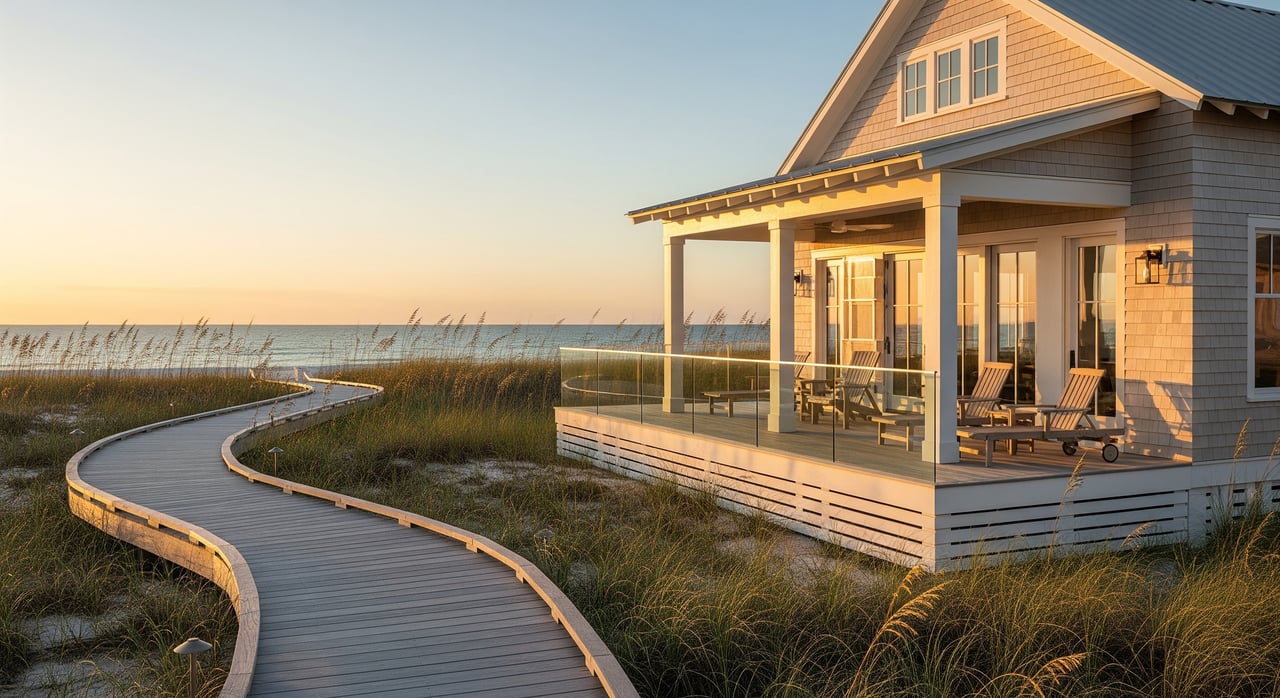
Heard people rave about “30A” but not sure what it actually means, or which side fits you best? You are not alone. If you are starting to explore a second home or investment on Florida’s Emerald Coast, understanding East vs West 30A will help you focus fast and avoid decision fatigue. In this guide, you will learn what 30A is, how locals think about the split, what each side offers, and the key buying considerations on East 30A. Let’s dive in.
What 30A means
30A refers to Scenic State Road 30A, a coastal highway in Walton County that connects a string of small beach communities along the Gulf of Mexico. The corridor is known for sugar-white sand, clear Gulf water, and the rare coastal dune lakes you will see near several beach parks. For visitors, “30A” signals a lifestyle of beaches, dining, and strolling through charming villages. For buyers, it is a collection of distinct micro-markets, each with its own HOA rules, design standards, and real-estate dynamics.
East vs West: how locals split it
There is no official line that divides East 30A from West 30A. Locals often use a practical split. East 30A generally refers to communities near and east of Seaside, Alys Beach, Rosemary Beach, Seacrest, and Inlet Beach toward the Panama City Beach side. West 30A generally covers Seagrove, Grayton Beach, WaterColor, Watersound, Blue Mountain Beach, and on toward Dune Allen and the more natural stretches. Seagrove is sometimes grouped as central or transitional, depending on who you ask. The key is to define your search area and be consistent.
East vs West at a glance
- Vibe
- East 30A: Curated, polished villages with strong walkability and a front-porch culture in planned towns.
- West 30A: Laid-back and eclectic in parts, with a casual, “Old Florida” feel in several areas.
- Architecture
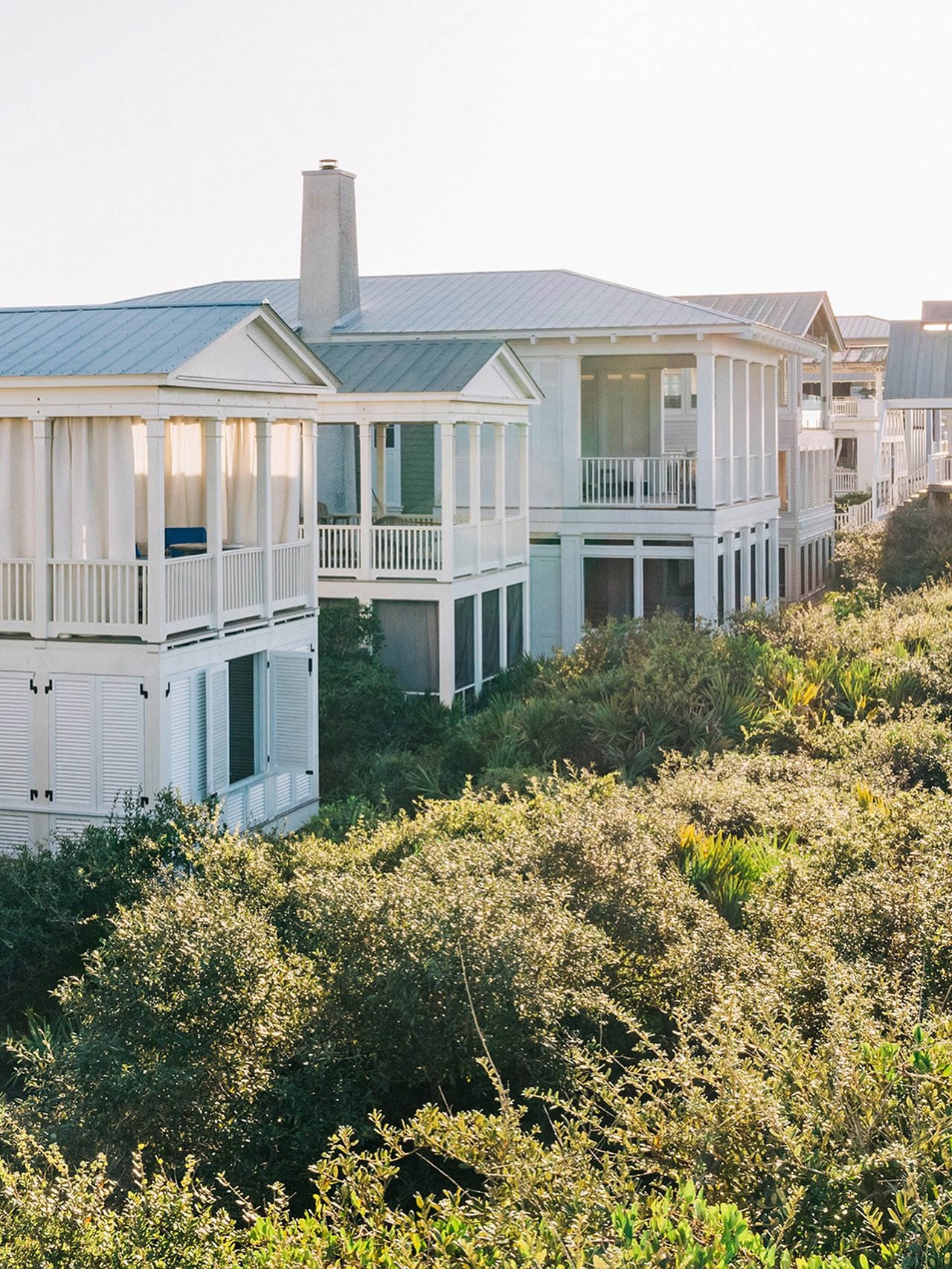
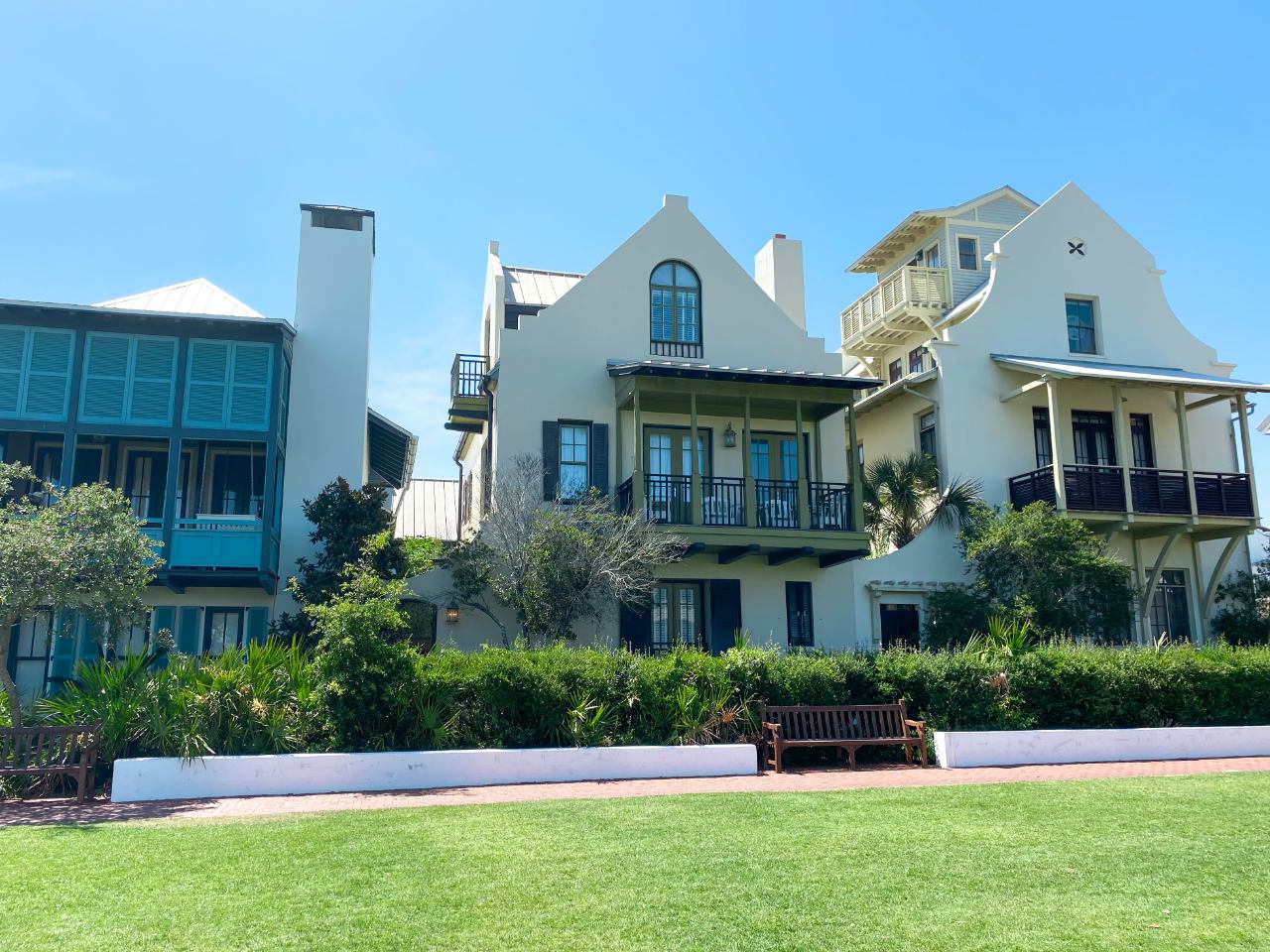
- East 30A: Strong design codes in places like Alys Beach, Rosemary Beach, and Seaside create cohesive streetscapes with high-end cottages and townhomes.
- West 30A: More variety overall, from historic beach cottages to newer builds. Planned communities like WaterColor and Watersound still have design guidelines.
- Dining and nightlife
- East 30A: Concentration of chef-driven restaurants, boutique shopping, and polished evening spots.
- West 30A: Casual seafood, local bars, and live music scenes that feel relaxed and low key.
- Beach access
- East 30A: Many access points are tied to planned developments and can be busier in peak seasons.
- West 30A: Larger state park beaches and longer undeveloped stretches offer a more nature-forward experience.
- Recreation
- East 30A: Walkable villages, biking paths, boutique fitness, and organized events.
- West 30A: Quick access to coastal dune lakes, state parks, paddling, trails, and birding.
- Real-estate mix
- East 30A: More condos, townhomes, and high-end new construction targeting second-home lifestyles and short-term rental demand.
- West 30A: More single-family cottages, larger lots, and opportunities for custom builds in select areas.
- Access to services
- East 30A: Generally closer to larger commercial and service nodes.
- West 30A: Some pockets require a slightly longer drive to major retailers and services.
East 30A neighborhood snapshots
Inlet Beach: the eastern gateway
Inlet Beach sits at the eastern end of the corridor and offers quick access to broader services while keeping you steps from the Gulf. You will find a mix of newer construction, townhomes, and beach cottages. Many properties appeal to buyers who want a turnkey setup with easy access to dining and shopping nearby.
Alys Beach: design-driven and architectural
Alys Beach is known for rigorous design standards that produce crisp white stucco architecture and harmonious streetscapes. Expect high-end finishes, intimate courtyards, and a walkable village setting. The design codes and HOA oversight help maintain a cohesive look and feel.
Rosemary Beach: a pedestrian village
Rosemary Beach combines European-inspired streetscapes with plazas, boardwalks, and pocket parks. It is highly walkable, with a central square for dining and retail. The market here leans toward designer-built homes and well-finished townhomes governed by clear design guidelines.
Seacrest and Seacrest Beach
Between Rosemary and Alys, Seacrest offers village conveniences and neighborhood amenities. Buyers often focus on proximity to beach walkovers, community pools, and bike access to nearby town centers. Homes range from cottages to multi-story residences designed for gathering and relaxation.
Seaside: the New Urbanist classic
Seaside helped define the 30A aesthetic with its cottages, pastel color palettes, and organized town plan. Its iconic pavilions and central square create a destination feel. Strong design controls and village walkability support both lifestyle enjoyment and rental appeal.
West side contrasts
Grayton Beach
Grayton blends a bohemian spirit with classic beach living. It offers a more eclectic mix of homes and easy access to one of the area’s signature state parks. The setting feels organic and relaxed.
WaterColor and Watersound
These planned communities deliver elevated amenities and cohesive design guidelines. WaterColor sits near Western Lake, a coastal dune lake, while Watersound features master-planned neighborhoods with well-kept infrastructure and outdoor access.
Blue Mountain Beach and Dune Allen
You will find more open natural stretches and a variety of home styles here. The vibe is easygoing, with quick access to trails, dune lakes, and low-key dining.
Seagrove as a bridge
Seagrove often acts as a bridge between east and west. It offers a mix of older cottages and newer residences across walkable pockets and more private streets, depending on the block.
Beach access and natural features
Across the entire corridor, you will enjoy the same sugar-white sand and clear Gulf waters. Beach access comes through public entry points, neighborhood walkovers, and designated parking areas. On East 30A, many access points are integrated into planned villages, which can increase foot traffic during peak seasons. On West 30A, state parks and undeveloped stretches offer a more open, nature-forward feel, including access to coastal dune lakes that are rare worldwide.
Buying on East 30A: what to know
- HOAs and design codes. Many East-side communities maintain strict architectural standards. Review CC&Rs, design review processes, and any exterior-change requirements before you write an offer.
- Short-term rentals. Rules, registration, and enforcement vary by HOA and by local jurisdiction. Expect tourist development taxes for transient rentals and confirm collection and remittance procedures. Verify any occupancy limits and permit requirements.
- Flood risk and build standards. Much of the beachfront sits in FEMA flood zones, including velocity zones in some areas. Obtain elevation certificates, discuss requirements with your lender, and price out flood and homeowners insurance early.
- Coastal protections. Dune restoration and construction seaward of certain lines are regulated. If your plans include decks, walkovers, or shoreline work, anticipate reviews and setbacks.
- Dune lakes and wetlands. Properties near coastal dune lakes may have additional environmental buffers and rules. Confirm feasibility before you plan expansions or new builds.
- Infrastructure. Some neighborhoods are on central sewer while others use septic systems. Flood zone placement, drainage, and soil conditions can influence buildability, timelines, and insurance costs.
- Logistics. The corridor is served by regional airports in the area, with drive times varying by neighborhood. Beach parking and on-street parking are limited in several villages, and HOAs often set vehicle and parking rules. East 30A typically sits closer to larger grocery and service centers.
East 30A buyer checklist
Use this quick list to move forward with confidence:
- Confirm HOA covenants, design review standards, and any exterior-change approvals required.
- Verify short-term rental eligibility, registration steps, and tax remittance procedures for your exact address.
- Pull FEMA flood maps for the property, request an elevation certificate, and obtain insurance quotes early.
- Ask about coastal setbacks, dune protections, and any wetlands or dune lake buffers that affect the site.
- Determine sewer vs septic and note any maintenance, tap fees, or upgrade requirements.
- Review recent rental comps if income matters to your goals, and factor seasonality into projections.
- Clarify parking rules, beach access points, and typical peak-season conditions for your specific street.
- Map drive times to airports, medical facilities, and everyday services that matter to you.
Which side fits your lifestyle?
Choose East 30A if you prioritize walkable, design-forward villages, curated dining, and a turnkey second-home experience close to services. Choose West 30A if you want more organic variety, easier access to state parks and dune lakes, and a quieter, nature-forward setting. Many buyers tour both sides before deciding. Since inventory is limited and demand is seasonal, it is smart to compare specific streets and HOA rules side by side with local guidance.
Your next step
If East 30A is on your shortlist, you want a team that pairs neighborhood-level insight with elevated, concierge-caliber service. That is our specialty. Explore listings, review our neighborhood guides, and get clear on HOA and rental details with a trusted advisor at Emerald Coast Signature Collection. We will help you refine your search and move confidently from browsing to keys in hand.
FAQs
What is 30A and why is it unique?
- It is a coastal highway corridor in Walton County linking multiple beach towns, known for sugar-white sand, clear Gulf water, and rare coastal dune lakes.
How do locals define East vs West 30A?
- There is no official boundary; this guide uses a practical split with East near Seaside, Alys, Rosemary, Seacrest, and Inlet Beach, and West including Seagrove, Grayton, WaterColor, Watersound, and beyond.
How do beach access and crowds differ across the corridor?
- East-side access points are often tied to planned developments and can feel busier in season, while the west side includes larger state park beaches and longer undeveloped stretches.
What should I know about short-term rentals on 30A?
- Rules and registration vary by HOA and local jurisdiction; confirm eligibility, permits, occupancy limits, and tourist development tax collection before you buy.
What about flood zones, elevation, and insurance on 30A?
- Many properties lie in FEMA flood zones, so secure elevation certificates, confirm build standards with your lender, and price out homeowners and flood insurance early.
Which airports serve the 30A area?
- The corridor is served by regional airports in the area, and drive times vary by neighborhood; factor travel logistics into your community choice.