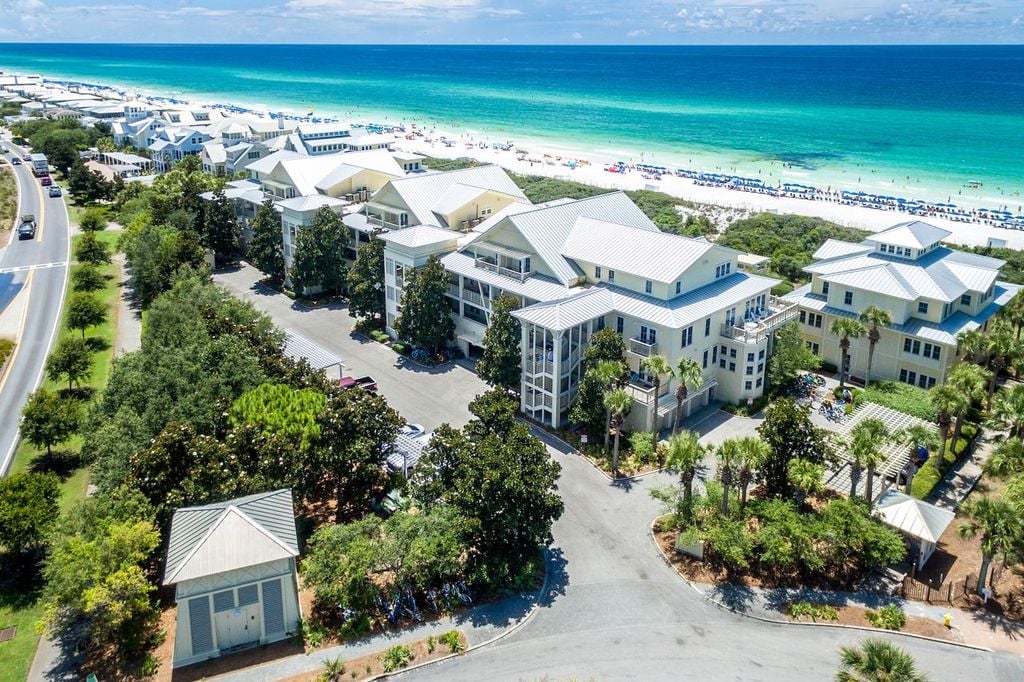
Looking at WaterColor as a vacation rental play? You are not alone. Many buyers are drawn to the community’s resort feel, strong 30A name recognition, and built-in guest appeal, but smart underwriting here takes more than plugging in a high nightly rate and calling it a day. If you are weighing a purchase in WaterColor, this guide will help you think through demand, rules, fees, and property-specific details before you commit. Let’s dive in.
Why WaterColor draws vacation renters
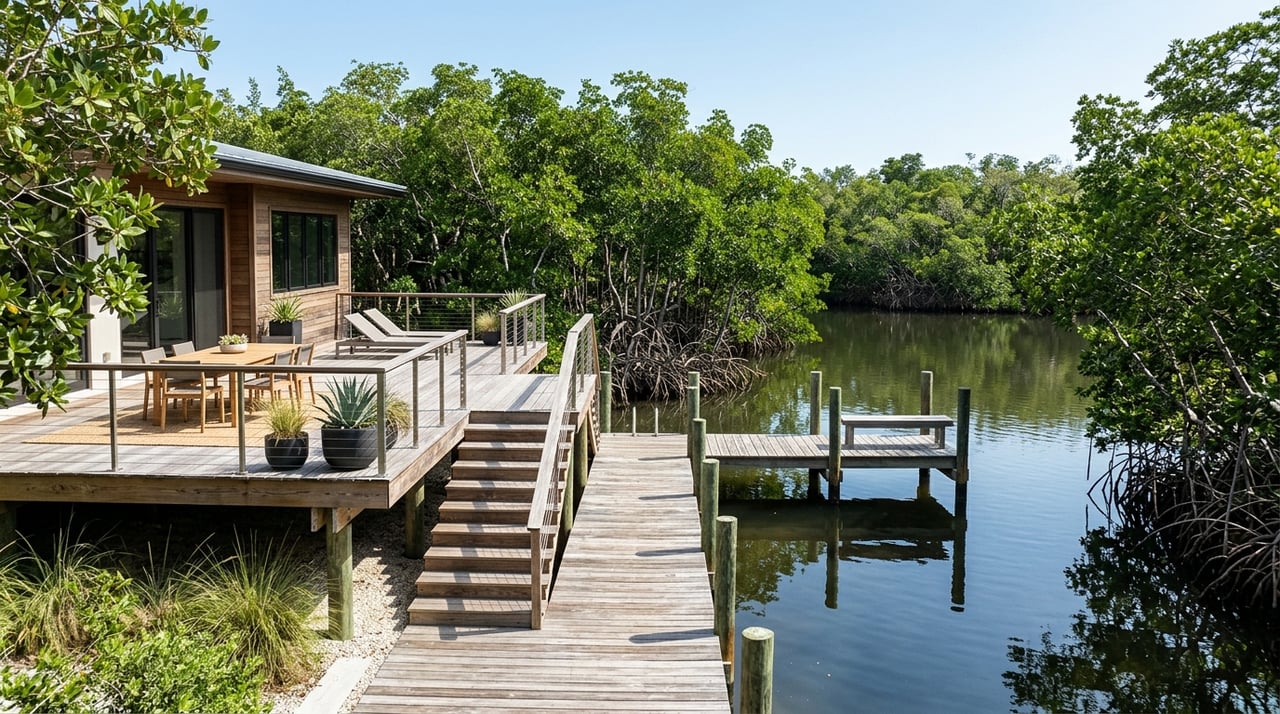
WaterColor has a guest experience that feels more like a resort than a typical beach neighborhood. Current HOA materials describe it as a 499-acre community with nearly half of its land set aside as common and natural areas, with walking and biking woven into the layout.
That design matters when you are evaluating rental demand. Guests are not just booking a house or condo. They are often booking access to a full vacation setting that includes amenities, convenience, and a recognizable 30A location.
Amenities support the rental story
WaterColor’s amenity package is a major part of its appeal. The community has 10 pools, including three at the Beach Club and two with a lazy river at Camp WaterColor, and access is controlled through amenity wristbands.
The Beach Club and Camp WaterColor are especially important because they help shape the guest experience. Community materials note that these are not general-public amenities, which can make a stay feel more exclusive and structured than a standard beach rental.
The layout adds convenience
The Town Center adds another layer of value for guests. Resort information highlights boutiques, food options, a Publix, bike and outdoor shops, and other everyday conveniences that support a self-contained village feel.
WaterColor was also built with walking and biking in mind, and the HOA offers complimentary trolley service. For guests planning a family beach trip, that ease of movement can be a meaningful selling point.
The 30A location helps branding
WaterColor also benefits from being near Seaside and within the broader 30A corridor. Public area information places WaterColor and Seaside side by side, which likely helps attract travelers who are already planning a South Walton beach trip.
That neighborhood recognition is not a small detail. Walton County visitor research shows that many travelers focus on one beach neighborhood rather than comparing several, which means WaterColor often competes as a destination with its own identity.
What the Walton County market says
If you are buying for rental income, the county-wide tourism picture matters. Walton County says tourism generated almost $5 billion in economic impact in 2024, with more than $4 billion in direct visitor spending and about 34,000 jobs.
That is a strong backdrop, but it does not tell the whole story. Public lodging data also shows that 2024 cooled compared with 2023, so buyers should be careful about assuming the hottest years are the new normal.
Occupancy softened in 2024
Walton County’s visitor tracking reports show softer performance in 2024. In summer 2024, occupancy was 68.1%, average daily rate was $504.21, and RevPAR was $343.37. In spring 2024, occupancy was 55.2%, ADR was $376.29, and RevPAR was $207.71.
The longer trend is also worth watching. Summer occupancy fell from 85.8% in 2021 to 68.1% in 2024, while spring occupancy dropped from 72.6% to 55.2% over the same period.
That does not mean WaterColor is weak. It means you should treat county reports as broad context, not as a WaterColor-only revenue model.
Family demand still supports the area
Even with softer occupancy, the visitor profile still lines up well with WaterColor’s strengths. County research says family vacation is the top reason for summer trips, and visitors place high value on beautiful beaches, clear water, and a sense of comfort and safety.
The same research found that nearly 7 in 10 summer visitors plan at least three months ahead, with an average planning cycle of 104 days. For buyers, that suggests branding, presentation, and booking strategy all matter because many guests are making decisions well before arrival.
Rules can change your numbers
One of the biggest mistakes buyers make is underwriting WaterColor like any other beach market. In reality, you need to account for both Walton County requirements and WaterColor HOA rules.
Those two layers affect how a property can be operated, what it costs to host guests, and how smooth the guest experience will be.
Walton County short-term rental requirements
Walton County defines a short-term vacation rental as a unit rented more than three times in a calendar year for periods of less than 30 days or one calendar month, or a unit advertised as regularly rented to guests. The county says annual registration is required, with a $300 fee per structure.
Registration also depends on other state and local prerequisites, including Florida Department of Revenue registration, a DBPR vacation-rental license, and Walton County tourist-development-tax registration. In south Walton, the county says the tourist development tax is 5%.
WaterColor adds its own layer
WaterColor has its own rental process beyond the county rules. Beginning February 1, 2024, all WaterColor rentals under six months must register in the HOA’s Short-Term Rental Portal.
That portal collects owner and property management details and allows rental managers to upload, modify, or cancel bookings. Rental properties also still have to file an Annual Owner Certification.
This matters because a property could fit one county framework while still facing separate HOA requirements. In other words, you need to evaluate both systems together.
Guest fees and access matter
WaterColor’s access system can directly affect your operating costs. The current 2026 policy says guest wristband requests and guest fees must be submitted at least 48 hours before arrival, and full payment is required before processing begins.
The policy also states that rentals of less than six continuous months must pay the current guest fee. A public fee page lists a 2025 guest fee of $9 per person, per night, but the HOA notes that fees are recalculated annually, so buyers should verify the current amount before underwriting.
Occupancy limits are critical
WaterColor’s 2026 maximum rental occupancy resolution is one of the most important details for buyers. The community caps maximum rental occupancy at two people per bedroom, plus two for one- and two-bedroom homes, and plus four for homes with three or more bedrooms.
That can affect both revenue projections and property selection. If you are comparing two homes with similar asking prices, the certified occupancy and bedroom count may have a real impact on booking potential.
Parking can affect guest experience
Parking is another line item buyers should not ignore. WaterColor says rental guests follow the same parking rules as homeowners, and seasonal paid parking applies from March 1 to October 31 at the Beach Club, Camp WaterColor, and parts of Town Center.
The seasonal parking rate is $25 per transaction, and violations can bring a $100 fee. If your guests are arriving with multiple vehicles, that can affect both guest satisfaction and the total vacation cost.
What buyers should test before purchasing
Before you move from interest to offer, it helps to pressure-test your assumptions. WaterColor can work well for many buyers, but the right property depends on how you plan to use it.
A second home with occasional rentals should be analyzed differently than a property intended for maximum annual bookings.
Start with property type
The first question is simple: what exactly are you buying? A detached home, condo, or townhome may face different county and HOA requirements, including differences around signage and certification.
That means the legal and operational picture may change by property type. Buyers should not assume the same rental strategy applies across every WaterColor listing.
Be clear about owner use
Your personal-use plan should be set early. Are you buying a primary residence, a seasonal second home, or a pure investment property?
That matters because Walton County says some owner-occupied homestead properties can be exempt from county short-term rental certification. At the same time, the county warns that renting a homestead more than 30 days per calendar year for two consecutive years can affect homestead status.
Choose your management model
WaterColor’s system is detailed enough that management should be part of your underwriting, not an afterthought. Someone has to handle bookings, wristbands, parking credentials, cleaning schedules, and guest communication.
If you plan to self-manage, make sure you are comfortable with the timing and compliance requirements. If not, a rental management company may be essential to keeping operations smooth.
Underwrite with local detail
County tourism data is useful, but it is still county-wide survey data. It should not replace address-level comp sets, historical rent statements, or property-specific performance information from a local manager.
For serious buyers, the best underwriting usually combines broad market context with narrow, property-level evidence. That is especially true in a neighborhood-driven market like WaterColor.
Build a full cost stack
A realistic budget should include more than purchase price and projected rent. You will want to model guest fees, parking-related costs, management commissions, cleaning, taxes, insurance, and any current access or amenity charges.
That full-stack approach can help you avoid a common mistake: buying based on gross income expectations while underestimating the friction in net returns.
Key questions to ask before you buy
If you are comparing WaterColor opportunities, keep these questions front and center:
- How many guests can the property actually host under current WaterColor rules?
- What will guest fees add during a typical peak-season stay?
- How will parking work for the number of cars your guests are likely to bring?
- Does your intended use affect homestead considerations?
- Are you targeting summer family demand only, or a wider calendar?
- Which rules apply to this exact property type?
- Who will handle booking logistics and compliance tasks?
The better your answers are before closing, the fewer surprises you are likely to face after the first reservation.
The bottom line on WaterColor rentals
WaterColor remains one of 30A’s most recognizable resort-style communities, and that brand strength can be meaningful for buyers seeking both lifestyle use and rental appeal. The amenities, layout, and location all support guest demand, especially for family-oriented beach travel.
At the same time, strong demand does not remove the need for careful underwriting. In WaterColor, the best decisions usually come from matching the right property to your goals, then testing the county rules, HOA policies, occupancy limits, and full operating costs before you buy.
If you want help evaluating a WaterColor property through both a lifestyle and investment lens, Emerald Coast Signature Collection can help you compare options with the kind of neighborhood-level perspective that matters on 30A.
FAQs
What makes WaterColor attractive for vacation renters?
- WaterColor stands out for its resort-style amenities, including 10 community pools, the Beach Club, Camp WaterColor, Town Center conveniences, walkability, biking access, and trolley service.
What do Walton County tourism numbers mean for WaterColor buyers?
- County data shows a strong tourism economy overall, but lodging performance softened in 2024, so buyers should use those numbers as market context rather than as a direct forecast for one WaterColor property.
What is a short-term rental in Walton County?
- Walton County defines a short-term vacation rental as a unit rented more than three times in a calendar year for periods of less than 30 days or one calendar month, or a unit advertised as regularly rented to guests.
What WaterColor HOA rules should vacation rental buyers know?
- WaterColor requires rentals under six months to be registered in the HOA Short-Term Rental Portal, and rental properties must also follow annual certification, guest access, occupancy, and parking rules.
How does WaterColor limit rental occupancy?
- WaterColor caps rental occupancy at two people per bedroom, plus two for one- and two-bedroom homes, and plus four for homes with three or more bedrooms.
Do WaterColor guest fees affect vacation rental income?
- Yes. Rentals under six continuous months are subject to the current guest fee, and the HOA recalculates that fee annually, so buyers should confirm the current amount before finalizing projections.
How can parking affect a WaterColor vacation rental purchase?
- Seasonal paid parking applies in certain amenity areas from March 1 to October 31, and violations can carry fines, so parking logistics can affect both guest experience and operating costs.
Should WaterColor buyers use county-wide data or property-specific rental comps?
- Buyers should use both, but property-specific rent histories, local comp sets, and manager input are usually more useful for underwriting an individual purchase than county-wide tourism reports alone.