Wondering whether owning in Seaside means automatic access to every beach pavilion, pool, or parking area? It is a common question, especially if you are buying a second home, comparing investment options, or trying to understand how this iconic 30A community is organized. The good news is that Seaside’s structure is understandable once you know where to look, and a little due diligence can help you avoid surprises. Let’s dive in.
How Seaside’s associations are structured
Seaside is not governed by a single, one-size-fits-all homeowners association. Court records describe Seaside as an 80-acre development with nine separate residential neighborhood declarations that were later brought together under Seaside Town Council, Inc., a Florida not-for-profit corporation.
That umbrella structure matters because Seaside Town Council manages the nine individual street associations, including common-area maintenance and covenant enforcement. At the same time, each street is still managed by its own HOA, and Seaside’s own materials say amenity access can depend on the location of the property and the rules tied to that specific street.
Why street-level rules matter
If you are looking at a home in Seaside, you should think beyond the broader community name. The exact street or parcel can affect how amenities are accessed, what rules apply, and how use rights are handled for owners and guests.
This is especially important for buyers who assume all homes come with the same benefits. In Seaside, that is not always the case, so the governing documents for the specific property deserve careful review before you move forward.
What owner dues may cover
Owner dues in Seaside generally support the operations tied to private common areas and association management. Seaside Town Council states that it handles common-area maintenance, covenant enforcement, and related services, while its parking policy describes common areas as private rights-of-way owned and operated by the nine HOAs.
In practical terms, that can point to dues helping fund private-street upkeep, administration, and shared-area maintenance. Buyers should still confirm the current budget and association records for the specific property they are considering, since the details can vary by street association.
Pools and shared amenities
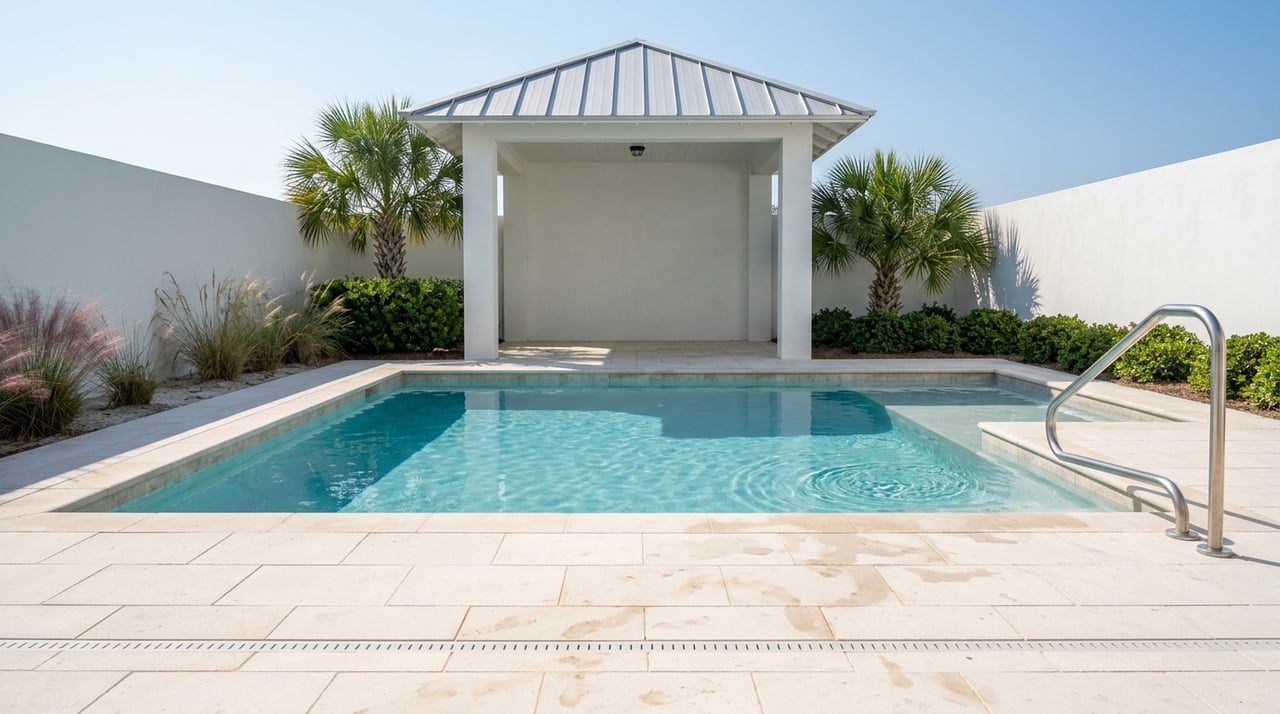
Seaside states that the community includes three pools, including a heated lap pool. It also states that the pools are exclusive for homeowners and guests.
That sounds simple on the surface, but access still needs to be understood in context. Because Seaside operates through street-based associations, the best practice is to verify exactly how the property you are considering connects to those amenities and whether there are any rules or limits tied to owner, guest, or rental use.
How beach access works in Seaside
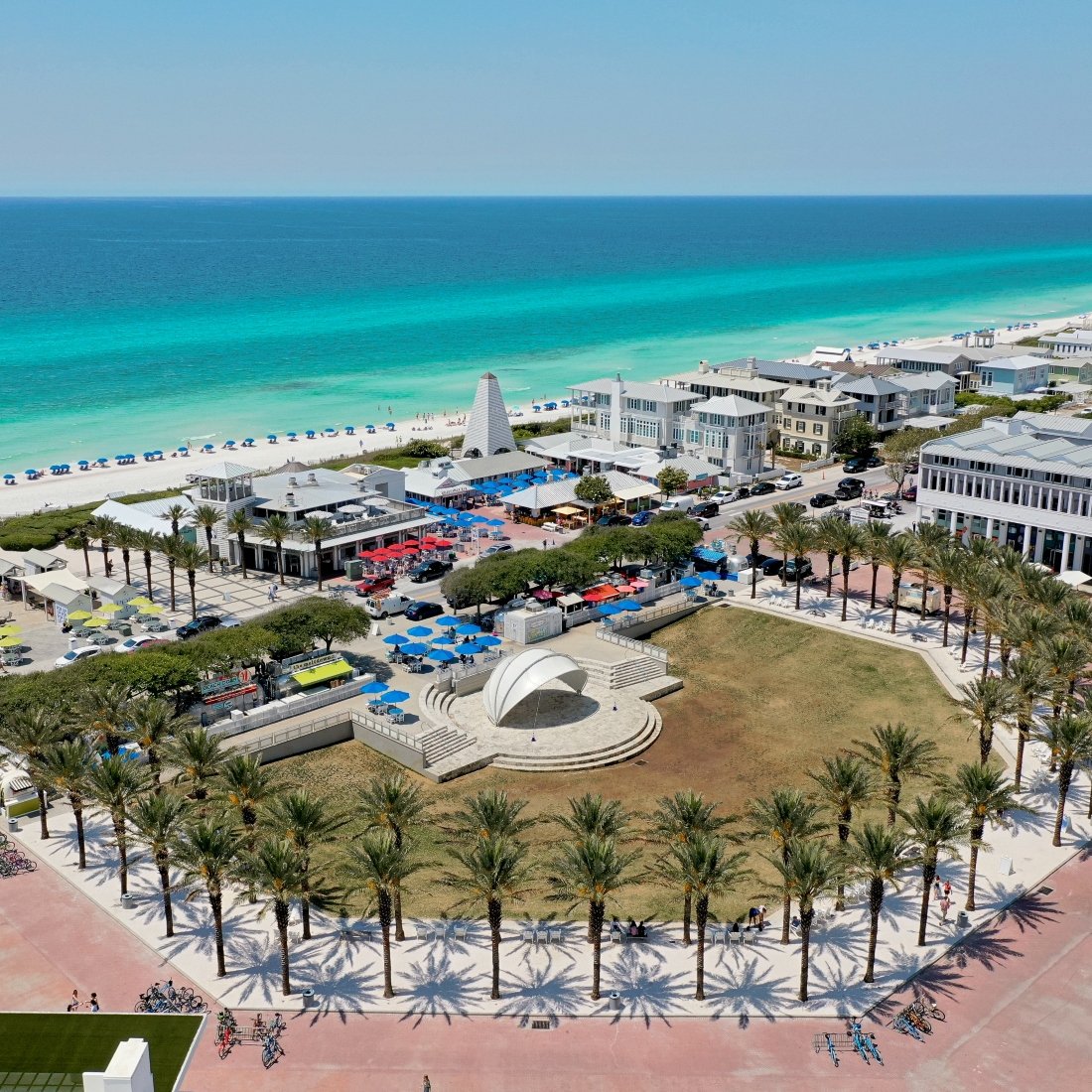
Beach access is one of the most important topics for Seaside buyers, and it is also one of the most misunderstood. Seaside uses a formal system for private residential beach access that includes wristbands, in-house security, and seven private residential beach pavilions.
Seaside’s FAQ says rental guests receive access to the pavilion on their street. It also notes that the public may access the beach at Coleman Pavilion through chair reservations, while Seaside’s beach-access information says Town Center and Coleman are reservation-only and some pavilions require access codes.
Private beach versus public access
This distinction is critical if you are buying for personal use, occasional guests, or short-term rental income. Owners and authorized guests may have access to certain private residential beach areas and pavilion services, but public visitors do not automatically have the same access.
For example, chair service and pavilion use are limited by policy to Seaside owners and authorized guests. That means a buyer should confirm not just that there is beach access, but which access applies to the property and how guest use is handled.
County beach rules still apply
Even when access is controlled through Seaside policies, Walton County rules still apply on the sand. County code-compliance materials state that regulations address items such as overnight personal property, tents, umbrellas, dogs, and bonfires.
Walton County also states that dog-on-the-beach permits are available only to county property owners or residents with proof of ownership or residency. Bonfires require a South Walton Fire District permit, and beach-driving permits are also limited to county landowners and or residents.
Parking and guest-use policies to know
Parking can be just as important as beach access, especially in a walkable coastal community like Seaside. Seaside Town Council’s residential parking policy says parking in residential areas is restricted to homeowners, rental guests, and authorized visitors with permits.
If you plan to use the property as a second home or rental, this is worth reviewing early. Parking rules can affect guest logistics, owner convenience, and overall expectations for how the property functions during busy seasons.
Rental operations can affect ownership experience
Seaside also has a rental-agency operating policy that sets standards for things like trash, linen bags, vehicles, and guest conduct. If you are buying an investment property or a home you may rent part-time, these operational details matter.
They can shape everything from check-in flow to how smoothly a home fits within the surrounding street association. For investors, this is part of understanding the true ownership picture, not just the purchase price and projected rental demand.
Amenities may not all be included
One of the biggest assumptions buyers make in lifestyle communities is that every attractive feature is covered by HOA ownership. In Seaside, that may not be true for every amenity.
For example, Seaside Athletic Club states that it offers only a select number of community memberships. That suggests some amenities may sit outside standard HOA dues and may require separate membership, separate availability, or both.
Ask what is included and what is separate
If an amenity matters to your decision, ask direct questions. You will want to confirm whether access is included with ownership, tied to a certain street, limited to owners and guests, or available only through a separate membership program.
This step is especially important for second-home buyers who want turnkey enjoyment and for investors who want to market amenity access accurately. Clear answers upfront can protect both your lifestyle plans and your financial assumptions.
A smart due diligence checklist for Seaside buyers
When you are evaluating a Seaside property, broad community marketing should never replace property-specific review. Florida law states that buyers should receive a disclosure summary and should refer to the covenants and governing documents before purchasing.
A careful document review can help you understand obligations, fees, restrictions, and use rights before you are under pressure at the end of a transaction. In a street-based community like Seaside, that extra attention is well worth it.
Documents to request
Ask for these items for the specific property and street association:
- Declaration and all amendments
- Bylaws and current rules
- Current budget and financial reports
- Reserve information, if provided
- Insurance information
- Management contracts
- Current violation history
- Residential beach policy
- Parking policy
- Rental-agency operating policy
- Any architectural-review materials
Florida’s HOA statute states that official records include items such as budgets, financial reporting, and contracts. Reviewing these records can help you see both the current obligations and any practical issues tied to ownership.
Key transaction items to confirm
There are also a few process items buyers should specifically verify:
- Confirm the statutory disclosure summary was delivered before contract signing
- Request an estoppel certificate before closing
- Check for regular assessments and any special assessments
- Review open violations, transfer fees, and approval requirements
- Confirm whether there is any right of first refusal
- Verify insurance contacts and relevant association details
Florida law states that the estoppel certificate must be provided within 10 business days and can disclose important items such as assessments, fees, violations, approval requirements, and insurance contacts. That makes it one of the most useful tools in the final stages of due diligence.
What this means for buyers and investors
If you are purchasing in Seaside, the headline is simple: ownership rights and amenity access are highly property-specific. The community offers strong appeal, but the details behind pools, beach pavilions, parking, guest access, and rental operations should be confirmed street by street.
That does not make Seaside harder to buy into. It simply means informed buyers do best when they pair the lifestyle vision with careful document review and local guidance.
For second-home buyers, that helps you match the property to how you actually want to use it. For investors, it helps you evaluate rental logistics, guest experience, and amenity-driven value with more confidence.
When you are considering a Seaside purchase, having neighborhood-specific insight can make the process much smoother. If you want clear, local guidance on Seaside and other 30A communities, connect with Emerald Coast Signature Collection for a thoughtful, property-specific conversation.
FAQs
How are owner associations organized in Seaside, Florida?
- Seaside operates with nine individual street associations under the umbrella of Seaside Town Council, so rules and amenity access can depend on the specific street or parcel.
Do all Seaside homeowners get the same amenity access?
- Not necessarily. Seaside states that access is determined by property location and HOA rules, so buyers should review the governing documents for the exact property they are considering.
What do Seaside HOA dues usually support?
- Dues typically support items such as common-area maintenance, covenant enforcement, private rights-of-way, administration, and shared-area upkeep, based on Seaside Town Council materials.
How does beach access work for Seaside owners and guests?
- Seaside uses a controlled access system that includes wristbands, security, and private residential beach pavilions, with rental guests generally receiving access to the pavilion on their street.
Can the public use Seaside beach amenities?
- Public visitors may access the beach at Coleman Pavilion through chair reservations, but private residential pavilion use and certain services are limited to owners and authorized guests.
What county beach rules apply in Seaside, Florida?
- Walton County rules still apply on the sand and cover topics such as overnight items, tents, umbrellas, dogs, bonfires, and permits for eligible property owners or residents.
What should a buyer review before purchasing in Seaside?
- A buyer should review the street declaration, amendments, bylaws, rules, budget, financial reports, estoppel certificate, beach and parking policies, rental policies, and any architectural-review materials tied to the property.
Are all Seaside amenities included with ownership?
- Not always. Some amenities may be separate from HOA dues, and Seaside Athletic Club states that it offers a limited number of community memberships.