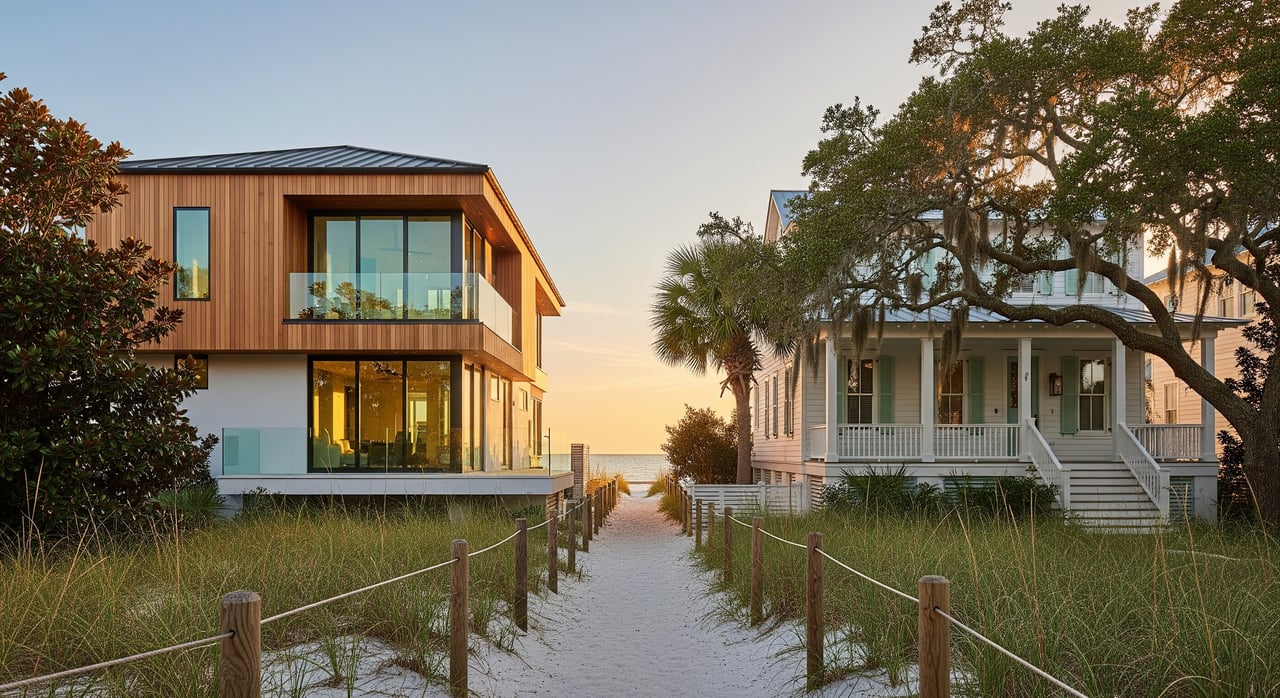
Thinking about a new build or a resale in WaterColor and not sure which path fits you best? You’re not alone. In a coastal community with high demand and limited land, the choice often comes down to your timeline, risk tolerance, and how you plan to enjoy the home. In this guide, you’ll see the key differences in cost, process, insurance, and resale value so you can move forward with clarity and confidence. Let’s dive in.
WaterColor market at a glance
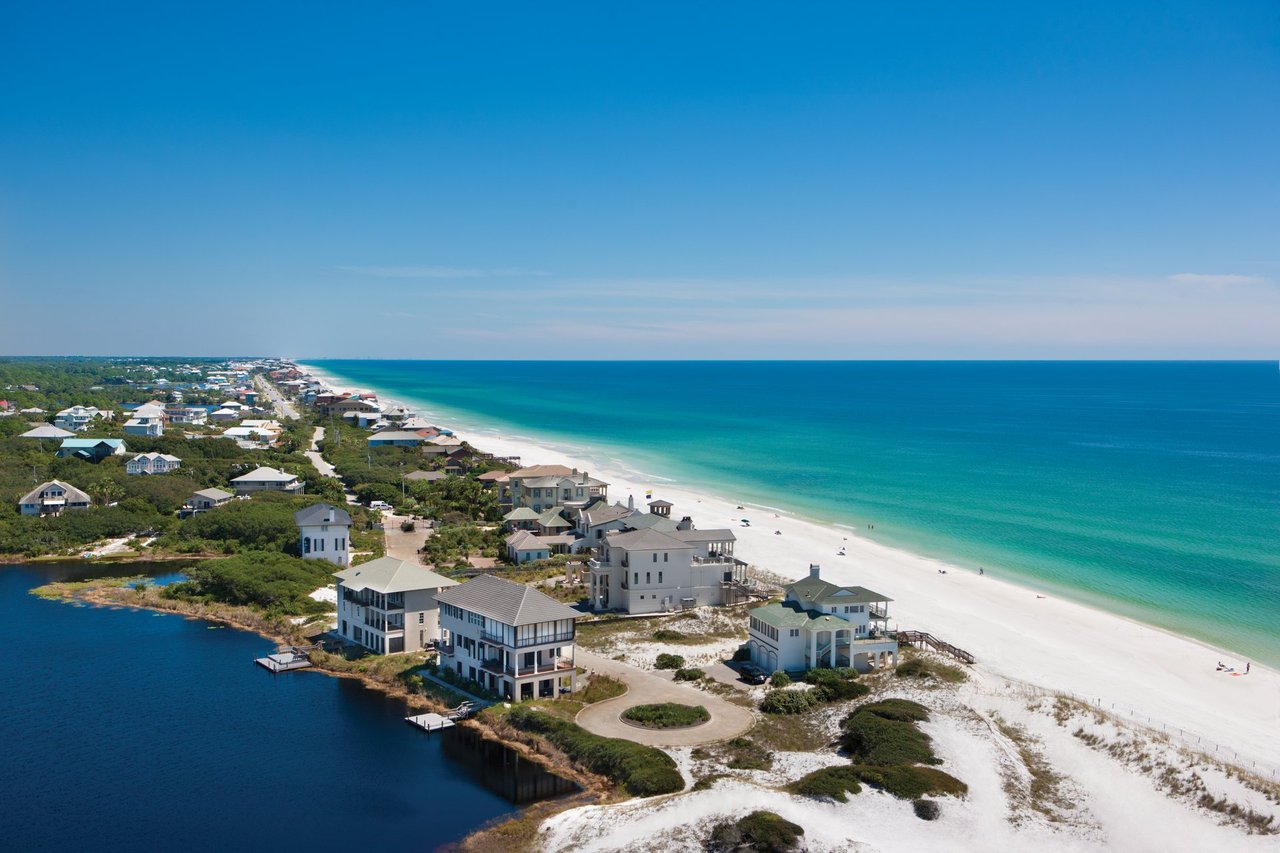
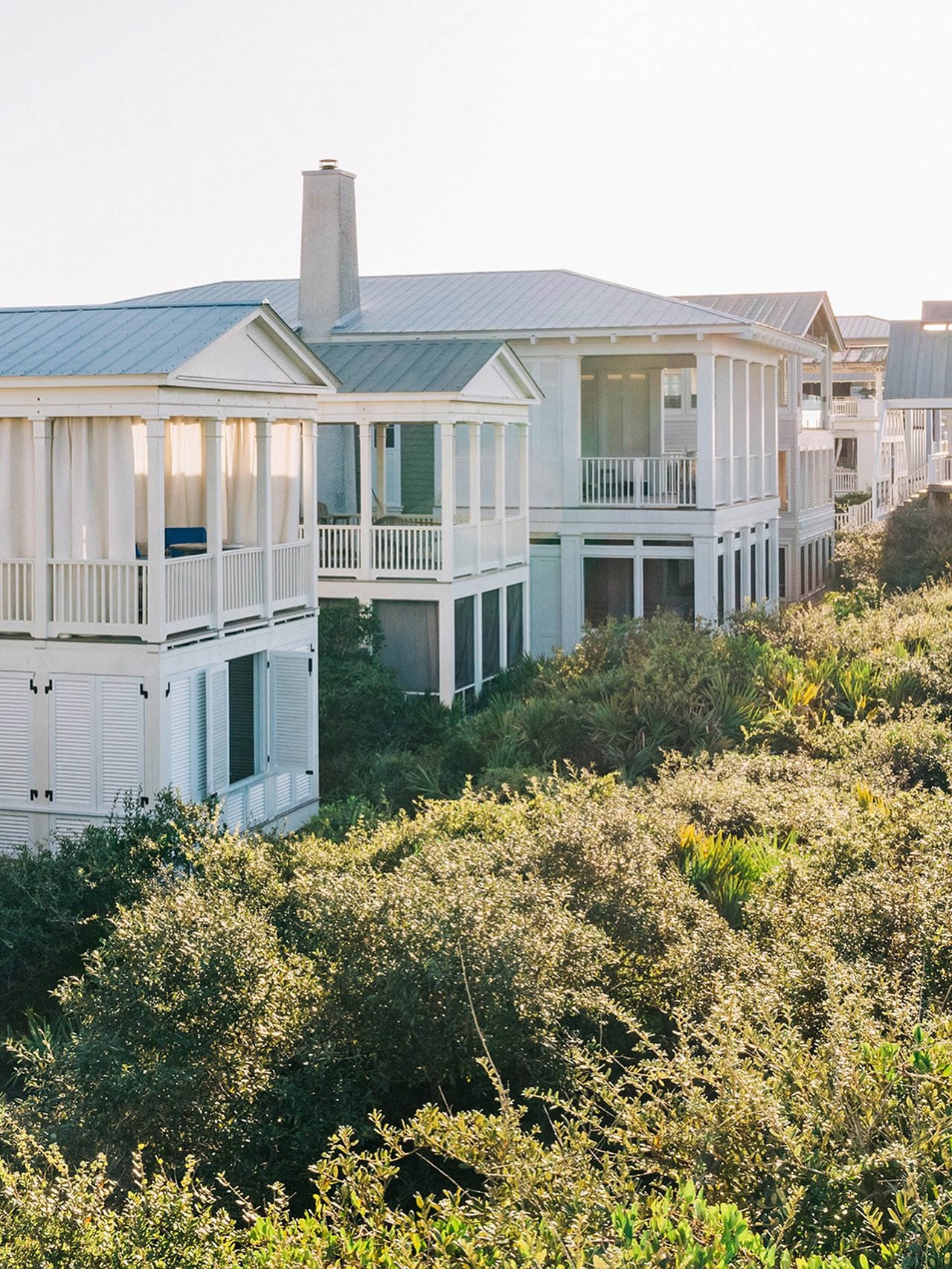
WaterColor sits along Florida’s Gulf Coast in South Walton and blends resort-style amenities with a laid-back coastal lifestyle. You’ll find pools, trails, dining, and easy beach access that draw both second-home buyers and year-round residents. Because developable land is limited, most “new” opportunities are either infill builds or high-end spec homes rather than large new subdivisions. That scarcity shapes both pricing and competition.
Buyer activity can be seasonal, with many out-of-market buyers touring in winter and spring. Amenities, low-maintenance living, and potential short-term rental appeal can push demand higher. As you weigh new versus resale, keep in mind that proximity to the beach, lot elevation, quality of finishes, and community rules play a big role in value.
New construction: what to expect
New homes in WaterColor typically fall into three buckets: spec homes ready or nearing completion, semi-custom builds on community lots, and fully custom builds on privately owned lots if available. All must follow community design guidelines and architectural review.
Advantages of building new
- Lower near-term maintenance with new systems, roofs, and finishes.
- Modern layouts and energy efficiency thanks to current Florida Building Code standards for HVAC, insulation, and wind resistance.
- Potential customization of floor plans and finishes when building from plans or choosing options.
- Stronger storm readiness with current wind and hurricane tie-down requirements, and the ability to design to higher elevations when the lot requires it.
Trade-offs to keep in mind
- Higher price per square foot. New homes often carry a premium for modern construction and warranties.
- Time and uncertainty. Even well-run projects can face permitting or supply delays.
- Appraisal gap risk. High-end or highly customized upgrades may not appraise for their full cost.
- Site constraints. Vacant lots can be scarce or costly and may require elevation, fill, or drainage work. Landscaping will also be less mature.
Financing basics for new builds
If you buy a spec home, you may use a standard conventional mortgage once the home is ready for closing. If you build, you’ll likely consider a construction-to-permanent loan or a construction loan that converts after completion. Lenders typically order an as-completed appraisal and conduct draw inspections during the build. Expect different underwriting standards, the possibility of a higher down payment, and a longer closing timeline than a resale.
Inspections that matter on new builds
Even with builder warranties, you should plan independent inspections at key stages. Common touchpoints include a pre-construction site review, a pre-drywall inspection, a final walkthrough, and a warranty punch list after move-in. Review the builder’s written warranty for coverage length, exclusions, claim procedures, and transferability. An experienced inspector familiar with new construction adds valuable quality control.
Insurance and elevation in coastal Walton County
Flood and wind coverage are major factors on the coast. If your property sits in a Special Flood Hazard Area and you use a federally backed mortgage, flood insurance is required. Finished-floor elevation relative to the Base Flood Elevation can influence premiums. New homes often incorporate wind-resistant features that may qualify for mitigation credits. Because Florida’s insurance landscape changes, it is smart to seek quotes early and confirm both wind and flood scenarios for the exact lot and plan.
Budget items beyond the base price
- Upgrades and allowances. Standard packages may not include your preferred high-end finishes.
- Site work. Elevation, drainage, and soil mitigation can be significant on coastal lots.
- Fees and permits. Impact fees, county permitting, architectural review, and utility hookups add to the total.
- HOA costs. Expect initiation or transfer fees along with ongoing dues.
Resale homes: strengths and watch-outs
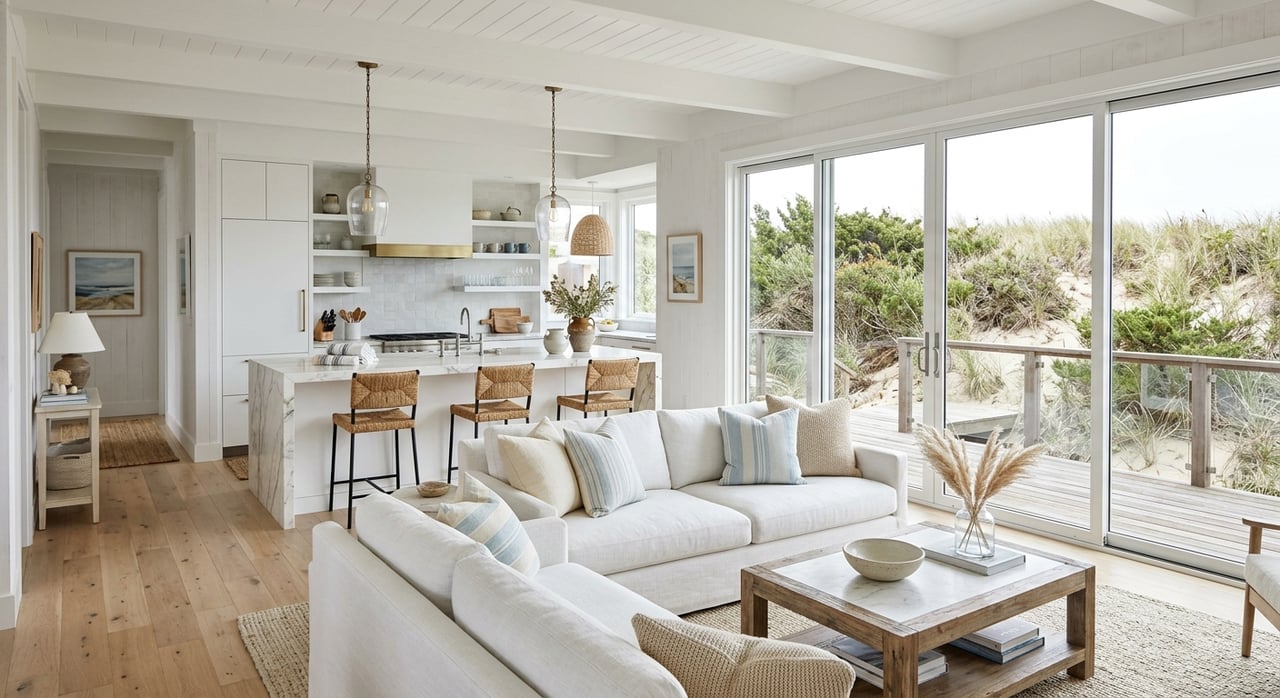
Resale homes in WaterColor include established single-family homes, cottages, and townhomes with mature landscaping and visible performance history. You can walk the property and see exactly how systems run and how the home lives.
Why resale may fit your timing and budget
- Immediate occupancy. You can move in shortly after closing and start enjoying the home or preparing it for rentals if allowed.
- Negotiation flexibility. Depending on the market moment, you may negotiate price, closing date, and seller concessions.
- Real cost visibility. You can review existing utilities, insurance history, and maintenance contracts to gauge carrying costs.
- Potentially lower upfront price compared with a high-end new spec home, depending on inventory and condition.
Risks to budget for and inspect
- Deferred maintenance. Older roofs, HVAC, or plumbing may need updates sooner.
- Energy and code gaps. Earlier construction often has less efficient systems and may not reflect current code standards.
- Hidden issues. Moisture, termites, drainage, or foundation concerns are possible in coastal settings.
Plan for a general home inspection, a termite inspection, roof and HVAC reviews, and septic checks if applicable. If the property is in a flood zone, request an elevation certificate to better understand risk and potential insurance premiums. Florida’s disclosure rules help, but inspections are your best protection.
Financing and closing for resale
Resale purchases typically follow a standard mortgage process with appraisals based on comparable sales. Closing timelines are usually shorter than new construction, often in the 30 to 45 day range depending on financing and contingencies. In unique or highly customized homes where comps are sparse, appraisal outcomes may vary.
What drives resale value in WaterColor
Homes closer to the beach, with elevated lots, updated kitchens and baths, and attractive outdoor living spaces tend to draw more attention. Community amenities and rental policies also factor into demand. A documented maintenance history can be a strong differentiator when buyers compare against new construction.
Costs beyond the purchase price
- Immediate upgrades. Cosmetic refreshes, appliance replacements, or mechanical updates.
- Insurance. Older homes that lack modern wind mitigation features may carry higher premiums.
- HOA-related items. Transfer fees, assessment history, and any upcoming capital projects.
Short-term rental and HOA rules in WaterColor
If rental income matters to you, confirm rules early. Ask for HOA governing documents, design guidelines, rental policies, and assessment history. Verify whether short-term rentals are allowed, minimum stay requirements, and any registration or tax obligations. If you plan to self-manage or hire a manager, build those costs into your projections. Understanding HOA practices and reserves also helps you anticipate longer-term costs and community improvements.
Decision checklist for WaterColor buyers
Use this quick framework to decide whether new or resale fits your goals:
- Timeline. Need to move in soon or prefer to wait through a build cycle? Resale is typically faster.
- Customization. Want a specific floor plan or finish level? New builds offer options. Resale may require renovations to get the look you want.
- Budget certainty. New builds can face allowance overages and site costs. Resale offers a negotiated price but may need repairs or upgrades.
- Maintenance tolerance. Prefer low maintenance early on? New construction usually wins. Comfortable managing updates? Resale can be a good value.
- Insurance and elevation. Compare finished-floor elevations and wind features. Ask for quotes early to avoid surprises.
- Resale appeal. In WaterColor, beach proximity, elevation, and standout outdoor spaces help long-term value.
- Financing. Are you ready for construction-loan steps, or would you rather use a standard mortgage?
- HOA and rental strategy. Confirm rules if you plan any rentals, and align your plan with community standards.
Which path is right for you?
Consider these common scenarios to help you decide:
- You want turnkey living this season. A well-kept resale with modern updates and documented maintenance is your fastest route.
- You have a specific design vision. A new build lets you tailor finishes and plan for current codes, wind credits, and elevation.
- You are ROI-focused and timeline-flexible. Either option can work. A resale with an established rental history may offer clearer projections, while a thoughtfully designed new build can command premium rates if rentals are permitted.
- You value minimal near-term upkeep. New construction typically means fewer repairs in the first few years and potentially better energy performance.
How we guide your WaterColor purchase
You deserve a smooth process powered by local insight. As neighborhood-focused advisors along 30A, we help you:
- Identify on- and off-market opportunities that match your lifestyle and timing.
- Compare new build specs versus resale condition, with a clear eye on insurance, elevation, and HOA considerations.
- Coordinate due diligence, from inspections and elevation certificates to builder warranty reviews and architectural guidelines.
- Align financing with your plan, whether that is a standard mortgage for a resale or a build-friendly structure for new construction.
When you are ready, we will help you choose with confidence and negotiate from a position of strength.
Ready to explore your WaterColor options? Connect with the team at Emerald Coast Signature Collection to start a tailored search and strategy.
FAQs
What are the biggest cost differences between new and resale in WaterColor?
- New builds often carry a higher price per square foot and can have upgrade and site work overages. Resales may need immediate repairs or updates but offer a more predictable purchase price.
How long does new construction typically take compared to resale?
- New construction timelines vary by lot, design, and permitting, and can extend several months. Resale purchases often close in about 30 to 45 days, depending on financing.
Do new homes have lower insurance costs on the coast?
- Not always. New homes may qualify for wind mitigation credits and can be built above Base Flood Elevation, but premiums depend on elevation, distance to the coast, construction features, and insurer capacity.
Are builder warranties enough to skip inspections?
- No. Independent inspections at key stages and a final walkthrough are recommended. Warranties have limits and specific claim procedures.
How do I check if a WaterColor property is in a flood zone?
- Ask for the property’s flood zone designation and elevation information during due diligence. Finished-floor elevation relative to the local Base Flood Elevation is important for risk and premiums.
If I want to rent the home, should I choose new or resale?
- Either can work. Resale properties may offer a proven rental history. New builds can attract strong nightly rates if well outfitted. Confirm HOA rental rules and any local registration or tax requirements early.