What you get for your HOA dues on 30A East can vary a lot from one neighborhood to the next. If you love the idea of a beach club, a lagoon pool, and easy bike access, you want to know exactly how those amenities are packaged and paid for before you write an offer. If you plan to rent, you also need to match neighborhood rules with Walton County registration and state requirements. This guide gives you a clear, practical way to compare apples to apples across Alys Beach, Rosemary Beach, Seacrest, Watersound, Inlet Beach, and nearby villages.
You’ll learn how HOAs, condos, master associations, private clubs, and CDDs work on 30A East, what’s typically included in dues, and the due-diligence steps to take early. Let’s dive in.
How ownership structures differ
Condominiums: what dues usually include
Condominiums are common where buildings share roofs, walls, and systems. Condo associations typically maintain the building shell and common elements, with assessments that fund operations and reserves. Florida law sets specific rules for condominium budgets, records, and reserve accounts, and many buildings require structural integrity reserve studies. You can review the statute for details in Chapter 718.112 of the Florida Condominium Act.
HOAs and POAs for homes and townhomes
Homeowners’ associations and property owners’ associations are common in single-family and townhouse communities along 30A East. Dues may cover common landscaping, pools, trails, gates, or even limited exterior maintenance for certain home types. Florida’s HOA statute outlines rights to official records, budgets, and the timing and content for estoppel letters that confirm dues and violations. See Chapter 720.303 of the Florida HOA statute for the basics you’ll rely on during a purchase.
Master associations and private clubs
Some planned communities on 30A East overlay neighborhood HOAs with a master association or a private club. Amenities like town centers, gulf-front beach clubs, or larger facilities may be run by a developer-affiliated club with separate dues and initiation fees. Watersound illustrates this split model where certain lifestyle amenities are operated through a private club structure. When you compare properties, distinguish HOA assessments from any separate private club dues in the Watersound model.
CDDs and special assessments on the tax bill
A Community Development District (CDD) is a special taxing district that can finance roads, utilities, and amenities. If a property sits inside a CDD, you pay a non-ad valorem assessment on your property tax bill that is separate from HOA dues. This can change your annual carrying costs by thousands depending on the bond schedule. Learn how CDDs work from this overview of Community Development Districts.
Common amenity packages to compare
Beach access types and beach clubs
Public beach access and private access coexist on 30A. Walton County manages many public access points, while some communities maintain deeded walkovers or operate private beach clubs with staffing and chair service. Confirm whether access is public, deeded to the neighborhood, or club-based, since that affects guest rules and parking. For context on how public access is managed, review Walton County beach operations and access guidance.
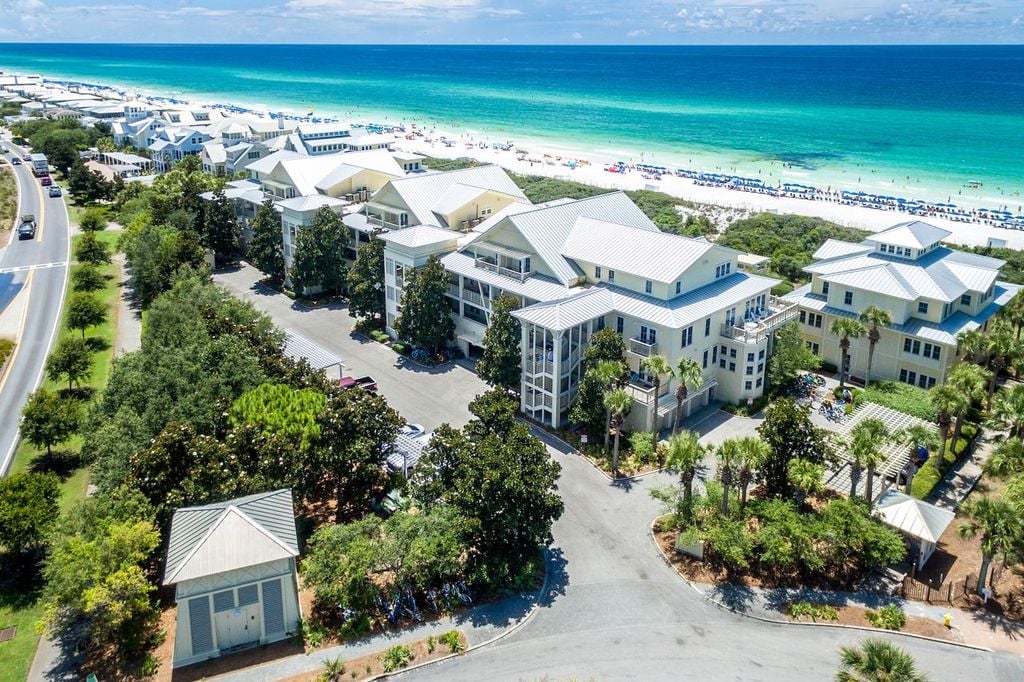
Alys Beach showcases a town-focused owner experience with a Beach Club. It is a useful example of how a neighborhood can package a premium beach program for its owners and guests. Explore how the town presents its amenities on the Alys Beach site.
Pools and lagoon experiences
Many 30A East communities include resort-style pools. Some offer multiple pools, heated options, and large lagoon-style centers near village hubs. These features can drive higher operating costs for lifeguards, filtration, and heating, which are typically funded through association budgets. Seacrest is a widely cited example that centers community life around a very large lagoon pool and kid-friendly elements, as highlighted in this overview of 30A beaches and communities.
Trails, bikes, and parks
Connectivity is a big part of daily life on 30A. Many neighborhoods highlight quick access to the Timpoochee Trail, plus internal paths, green spaces, and bike storage. These features are part of the lifestyle fit, even if they are lower cost to operate than pools or beach clubs. See the Scenic 30A bike trail guide for a sense of the corridor’s connectivity.
Security, gates, and staffing
Gated entries, patrols, and seasonal or 24/7 staffing appear in many planned communities. Security shows up as a recurring line item in association budgets and can vary based on hours and staffing levels. Ask whether gate management, patrols, and concierge-style services are included in HOA dues or managed by a private vendor, since that affects service levels and costs.
Exterior maintenance and bundled services
Condo communities often include exterior maintenance, landscape care, pest services, trash, and some master-metered utilities in monthly assessments. Single-family HOAs vary. Some include front-yard maintenance while others leave most exterior items to owners. The recorded covenants and maintenance matrix are your source of truth for what the HOA owns and maintains.
Rental rules and licensing
Short-term rental rules live in multiple places. The county requires local registration through the Vacation Rental Registration Program, and many communities set minimum stays or guest registration procedures in their covenants. If rental income matters to you, confirm both the county program and the association’s rental rules up front. Review Walton County’s Vacation Rental Registration Program for requirements and fee schedules.
Insurance, reserves, and storm exposure
Coastal associations face unique insurance and reserve needs. Higher wind and flood deductibles can lead to special assessments if reserves are thin. Condo buyers should review the association’s insurance certificates, reserve balance, and the most recent structural or reserve studies per Florida Condominium statute 718.112. For any property on 30A East, check the FEMA Flood Map Service Center for official flood-zone designations at the FEMA Map Service Center and get insurance quotes before closing.
Mini profiles: how top communities package amenities
Alys Beach
Alys Beach markets a curated town experience that includes a refined owner-focused beach program and the Alys Beach Club. The presentation is helpful when you want to visualize the premium, service-forward model that pairs architecture, dining, and beach life. Get a feel for the lifestyle on the Alys Beach official site.
Seacrest
Seacrest is often associated with a very large lagoon-style pool and a seasonal tram that eases trips to the beach. The community also references deeded access, which is a common structure in several 30A East neighborhoods. Read an overview that spotlights Seacrest’s lagoon pool in this 30A beach guide.
Watersound and Watersound Club
Watersound features a layered structure where a master association and a private club can cover different amenities. Owners should separate HOA assessments from private club dues when comparing holding costs. For a public snapshot of how the club model is positioned, see the Watersound Club materials.
What to request before you write an offer
Use this checklist early, ideally while you are still shortlisting properties. Ask your agent or the association for these items so you can compare communities on equal footing.
- Resale or estoppel packet that itemizes regular dues, special assessments, transfer or resale fees, any open violations, and association contacts. Florida’s HOA and condo statutes define timing and contents for these documents. See Florida HOA statute 720.303 and Florida Condominium statute 718.112.
- Current-year budget, most recent year-end financials, operating and reserve account balances, reserve study or structural integrity reserve study (where required), and a list of planned capital projects.
- Board meeting minutes for the past 12 to 24 months and any notices of pending litigation. Minutes reveal upcoming projects, large repairs, or governance friction.
- Governing documents, including the Declaration, Bylaws, Rules and Regulations, and any architectural guidelines. Focus on the maintenance responsibility matrix, rental policy, pet rules, parking, and guest access.
- Association insurance certificates and policy summaries, including limits, deductibles, and whether wind and flood are covered by the master policy or expected at the owner level.
- For rental buyers: proof the property meets Walton County’s program rules and the association’s leasing rules. Confirm registration requirements and minimum stays through the Walton County Vacation Rental Registration Program.
- Flood and elevation information: the parcel’s FEMA flood zone and any elevation certificate. Check the FEMA Map Service Center and obtain insurance quotes before inspection deadlines.
- Fee and assessment layers: verify if a CDD applies, whether there is a master association on top of a sub-association, and if any private club membership is optional or mandatory. For CDD background, see this CDD overview.
Quick ways to weigh value
- Lifestyle-first buyers: consider condos or villa enclaves where exterior maintenance and grounds are covered. Weigh higher assessments against the amenities you will actually use week to week.
- Rental-focused investors: prioritize communities that permit short-term rentals and make guest access simple. Budget for Walton County registration, any separate club dues, and possible CDD assessments when modeling net income.
- Cost-conscious owners: look at single-family homes in limited-amenity HOAs or outside master associations. You may trade convenience for lower recurring fees and more control over improvements.
- Premium resort seekers: expect higher HOA plus potential club dues in exchange for concierge-style services, private beach setups, multiple pools, and dining options. Confirm whether each feature is HOA-funded or part of a separate club.
Red flags to investigate
- Low or negative reserves, frequent or recent surprise special assessments, or a pattern of deferred maintenance. Review multiple years of budgets and any reserve studies per Florida condominium rules.
- Active or threatened litigation that could trigger future assessments or disrupt operations. Board minutes and association disclosures should note this.
- Unclear responsibility for storm repairs or very high deductibles on master policies. Ask directly how wind and flood deductibles are funded.
- Conflicts between county rental rules and association covenants. County registration does not override private covenants, so confirm alignment with the Walton County program before you depend on rental income.
Ready to compare your short list?
A clear structure for amenities, rules, and fees will help you choose the right 30A East property with confidence. Map the governance type, confirm how beach access works, and isolate all cost layers so you know your true carrying costs. If you want a local, concierge-style partner to help you weigh lifestyle, rental potential, and market context, connect with Emerald Coast Signature Collection.
FAQs
What is a CDD and how does it affect 30A East buyers?
- A Community Development District is a special taxing district that funds infrastructure and amenities, and it charges a separate annual assessment on your property tax bill that is not included in HOA dues; review a public CDD overview and ask whether a target property lies inside a CDD.
How do public, deeded, and club beach access differ on 30A?
- Public access points are county-managed, deeded access is restricted to a community’s owners and guests, and private beach clubs add staffed services with separate rules and possible dues; see Walton County beach operations and community examples like Alys Beach.
What should condo buyers review for reserves and building studies in Florida?
- Ask for the current budget, reserve balances, insurance summaries, and any structural integrity reserve study or reserve study required under Florida Condominium statute 718.112, then confirm whether reserves align with upcoming capital projects.
How do short-term rental rules work in Walton County versus an HOA?
- County-level registration is required through the Vacation Rental Registration Program, and your HOA or condo may set separate leasing rules such as minimum stays or guest registration, so you must satisfy both sets of requirements.
What insurance documents should I request from an association on 30A East?
- Request certificates of insurance and summaries showing property, wind, and flood coverage, plus deductibles and how those deductibles are funded; then get quotes for your unit and verify the property’s flood zone at the FEMA Map Service Center.
How do master associations and private clubs change the cost picture at Watersound?
- Some amenities are HOA-funded while others are part of a separate private club with its own dues and initiation fees, so you should separate HOA assessments from private club membership details in the Watersound model when comparing total cost of ownership.